In brief
Chinese courts have handed the founder of the fallen property titan Evergrande a life sentence after he pleaded guilty to embezzlement and bribery. All his personal property will be confiscated and former firms fined a combined ¥15.82bn (£1.73bn). The judgment marks a decisive moment in the fallout from a collapse that rattled China’s real‑estate market, banks and investors worldwide. Executives from Evergrande, including his sons, have already been jailed for up to 18 years. The sentencing underscores China’s clampdown on corporate fraud and reckless borrowing in the property sector.
Founder of collapsed Chinese property giant Evergrande sentenced to life in prison
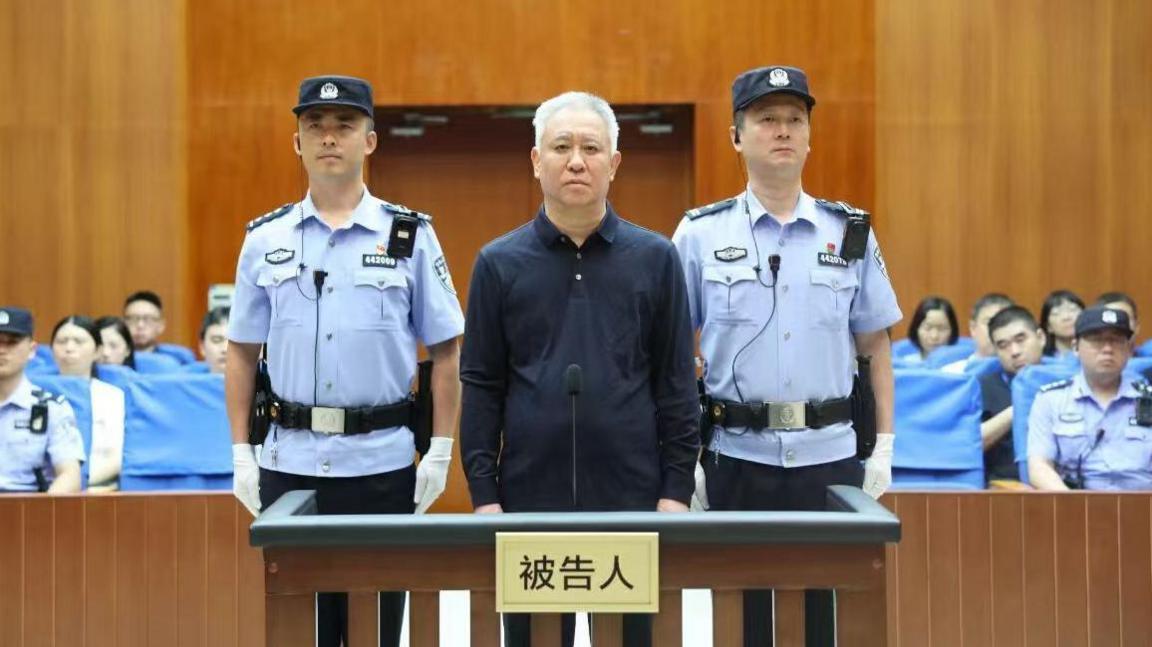
Hui Ka Yan, who once controlled China’s biggest real‑estate developer, has been handed a life‑term by the Shenzhen Intermediate People’s Court and will lose all of his personal assets. The sentencing follows a guilty plea in April on several offences including embezzlement of assets and corporate bribery.
Shenzhen court also imposed a fine of ¥15.82 bn (£1.73 bn) on former Evergrande firms for falsifying records and concealing debt, the same 12‑week term that followed the company’s boom and avalanche in 2021.
These rulings mark a key turning point in China’s crackdown on the housing market’s turmoil. Evergrande’s implosion hit domestic banks hard, strained local governments that relied on property taxes, and triggered a broader slowdown in the world’s second‑largest economy.
In prior court sessions the bailiff was criticised for being in the wrong place at the wrong time, as the company foreclosed on its own supply chain, leaving developers stranded, vendors ruined, and a host of “unfinished projects” standing as a reminder of the once‑aggressive expansion model financed largely through high‑leverage borrowing.
After Hui was fined $6.5 m (approx. ¥35 m) in March 2024 and banned from China’s capital market for life, a punitive order led to the removal of Evergrande’s shares from the Hong Kong exchange in August 2025, after more than fifteen years of trading.
Beyond the founder, other executives—including his two sons, Xu Zhijian and Xu Tenghe—received jail terms ranging from 22 months to 18 years. The court condemned the group’s actions as having “seriously disrupted” the Chinese property market, causing enormous economic losses.
The case echoes China’s broad‑scale debt‑control reforms introduced in 2020, which sought to curb excessive borrowing on the property front. By 2022, Evergrande’s debt stack had ballooned to 2.6 trillion yuan; the bank’s collapse in 2021 is considered a catalyst for the ongoing real‑estate slump.
The sentencing also illustrates the continuing scrutiny that public officials face when public finance and corporate control collide. The legal action signals Hong Kong and mainland Chinese authorities’ determination to uphold financial stability and accountability across the real‑estate sector.
This development continues to reinforce the narrative that no individual or company is immune from the rule of law, and—more importantly—caution any entity against reckless ambition that threatens the broader economy.