In brief
China’s former property titan evergrande founder Hui Ka Yan was handed a life sentence after pleading guilty to embezzlement and corporate bribery. The Shenzhen court also imposed an 8.82 bn yuan fine on the firm and confiscated Hui’s assets, signalling the end of the once‑giant developer’s influence. Evergrande’s collapse, driven by debt‑control measures and misused pre‑sale proceeds, rattled banks and investors and helped trigger a broader downturn in the domestic housing market. The ruling underscores the Chinese government’s crackdown on large real‑estate groups and highlights the ongoing economic fragility in the sector.
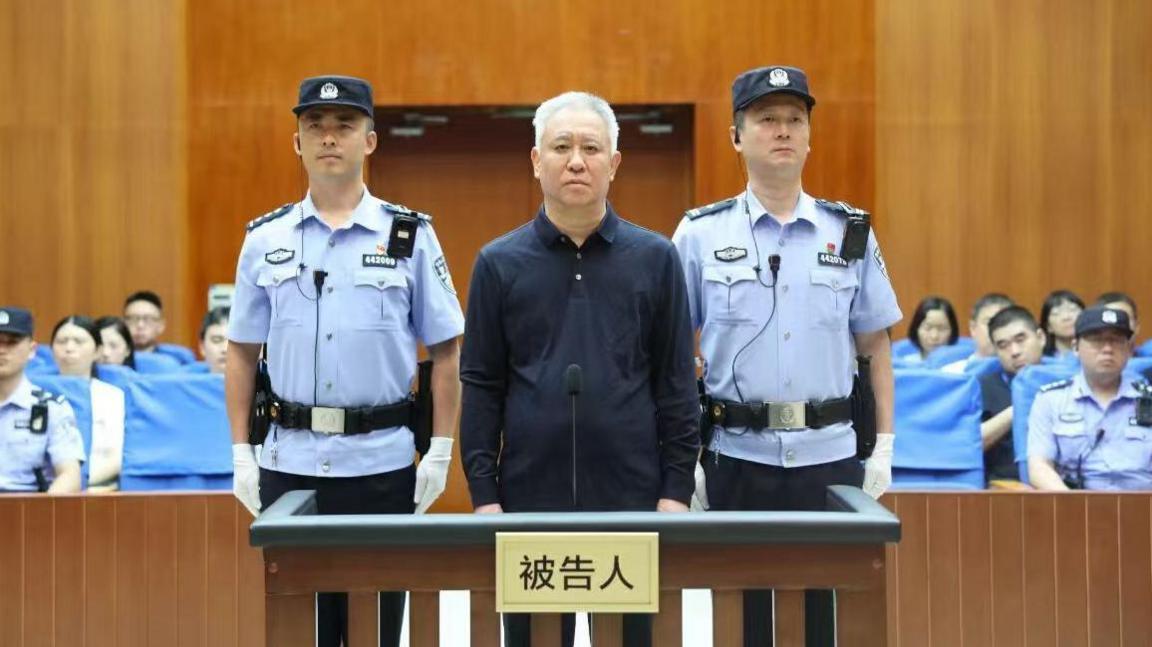
China’s former property titan Evergrande’s founder, Hui Ka Yan, has been sentenced to life imprisonment after pleading guilty in April to charges of embezzlement, corporate bribery and other financial offences. The Shenzhen Intermediate People’s Court also confiscated all of Hui’s personal assets and levied an 8.82 bn‑yuan fine on the company.
Evergrande, once valued at more than $50 bn and dubbed Asia’s richest developer, implemented an aggressive expansion funded by massive borrowing. New measures introduced by the Chinese government in 2020 to curb debt in the sector forced the firm to sell properties at steep discounts and ultimately led to its 2021 collapse.
The court found that the company had taken millions of dollars from pre‑sale deposits that were not used for construction but rather diverted to new development projects, leaving hundreds of incomplete sites scattered across China.
Following the sentencing, Evergrande’s stock plummeted by 99%, and the company was removed from the Hong Kong exchange in August 2025 after more than a decade of trading.
For domestic banks, the Evergrande saga added fresh anxieties, as the debt crisis forced them to contend with a massive wave of uncertain corporate liabilities and had a ripple effect on the nation’s real‑estate sector.
As the verdict wraps up a long‑running legal saga, it highlights the Chinese government’s willingness to pursue domestic businesses that have accrued excessive debt and skirted regulators, and underscores how the fallout from Evergrande is still shaping the broader economic landscape of the country.