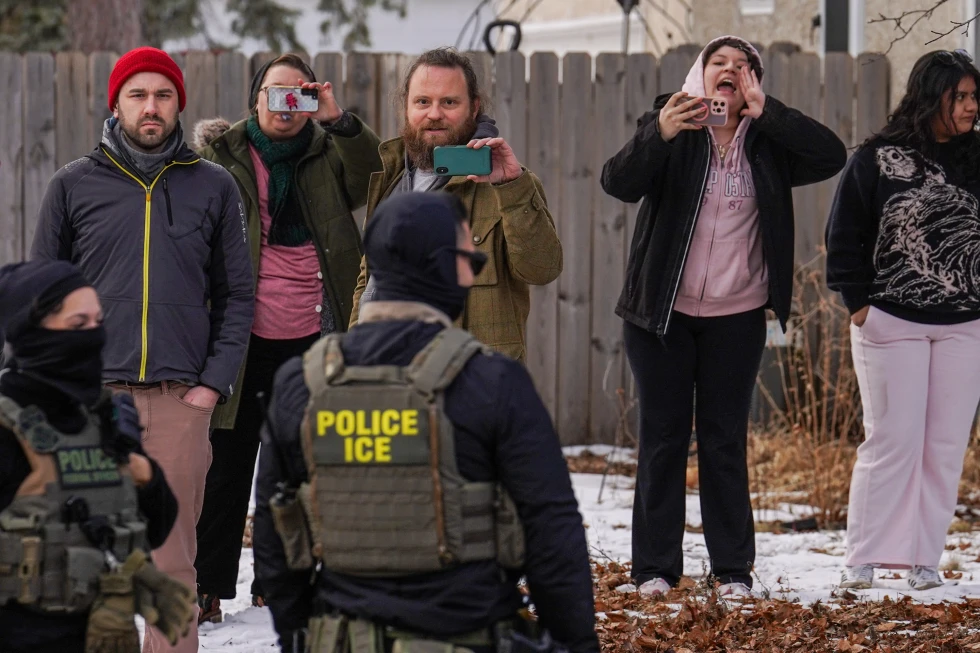
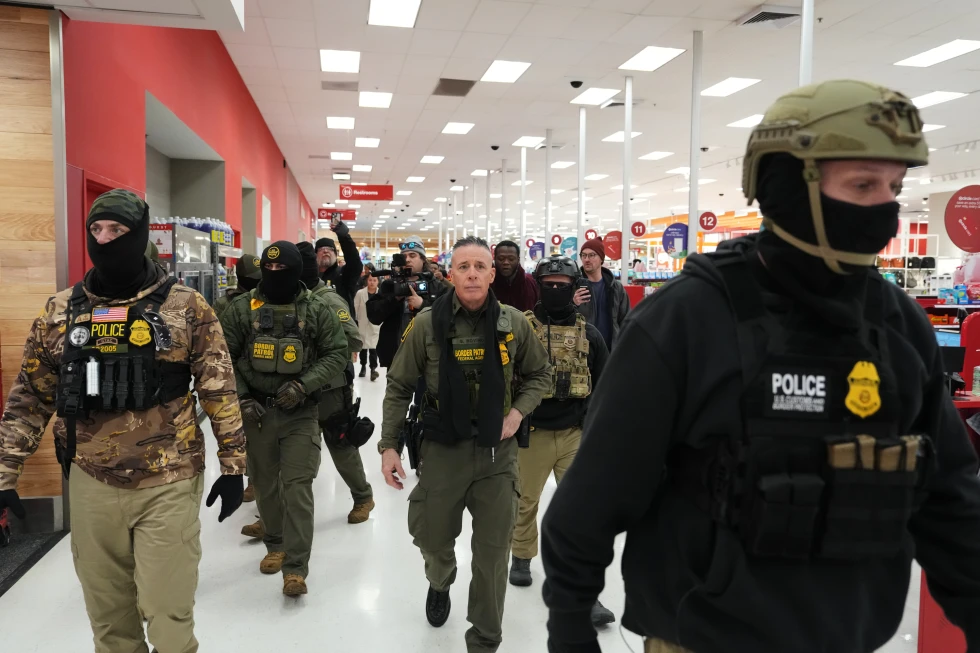
MINNEAPOLIS (AP) — The significant immigration crackdown in Minnesota that led to mass detentions, protests, and two deaths is reportedly coming to an end, according to border czar Tom Homan.
Governor Tim Walz expressed optimism on Tuesday, stating that Operation Metro Surge, initiated in December, could conclude in 'days, not weeks and months,' based on communications with senior officials from the Trump administration.
Homan mentioned that the operation made Minnesota 'less of a sanctuary state for criminals,' emphasizing the reduction of safety concerns in the state. Since the start of the operation, the U.S. Immigration and Customs Enforcement (ICE) swept through the Minneapolis-St. Paul metro area, arresting over 4,000 individuals, with officials labeling them as 'dangerous criminal illegal aliens.' However, many detainees included individuals without prior criminal records, including children and U.S. citizens.
He noted that the current surge had heightened safety in Minneapolis, reaffirming that residents would feel an increased sense of security with the operation's conclusion.
Homan disclosed that 700 federal officers were scheduled to leave Minnesota immediately, though more than 2,000 would remain during the transitional period. He is committed to overseeing this drawdown, which began this week and will continue next week. During a recent positive meeting with Homan, Minneapolis Mayor Jacob Frey discussed the potential for a further drawdown of federal officers.
Homan's leadership in Minnesota commenced following two fatal shootings by federal immigration agents, prompting a surge of political backlash and scrutiny surrounding the enforcement tactics employed in the area. Governor Walz indicated a need for transparency moving forward, stating, 'We’re very much in a trust but verify mode,' as the administration attempts to rebuild the relationship with the federal enforcement agencies.
As changes unfold, Walz is eager for more communication from the federal administration about how the state will transition from an intensive enforcement strategy to a more collaborative approach, previously stated as 'an occupation' and 'retribution campaign' against Minnesota.