
In brief
Recent controversies surrounding edited interviews and reports involving Donald Trump have led to significant repercussions for major networks like the BBC and CBS. The BBC's director-general and news chief resigned following accusations of bias in the documentary 'Trump: A Second Chance,' where Trump's quotes were misleadingly spliced together. Similarly, Trump's lawsuit against CBS highlights how editing has become a powerful tool for political retaliation, prompting networks to adapt their editing policies to avoid potential backlash.
In the space of just a few months, one of the more straightforward journalistic tasks — editing video for broadcast — has led to a $16 million legal settlement, changes in interview practices on major news shows, and the resignation of two top leaders at the BBC.
This upheaval has a common theme: Donald Trump.
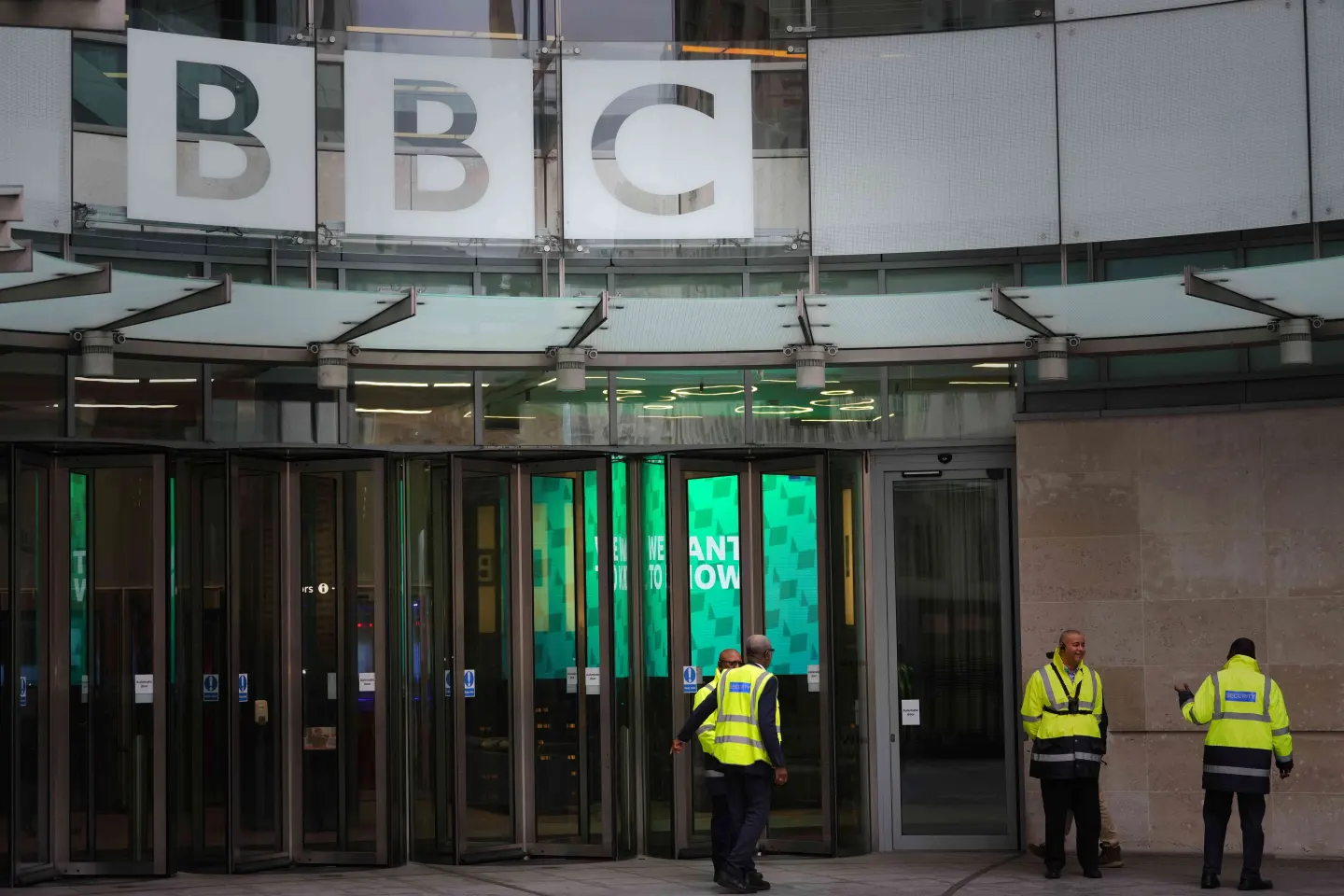
The BBC is facing turmoil after the resignations of its director-general, Tim Davie, and news chief Deborah Turness, spurred by allegations of biased editing in last year's documentary 'Trump: A Second Chance.' The BBC acknowledged that filmmakers spliced quotes from Trump's speech before the January 6, 2021, Capitol riot, making it appear as if he directly incited violence.
Similarly, Trump’s legal action against CBS' parent company over a misleading edit of Kamala Harris' interview on '60 Minutes' resulted in this summer's settlement. Additional grievances raised by his Homeland Security secretary led CBS to revise its interview editing policies.
In a time gone by, such controversies would likely prompt an immediate admission of error, a correction, and a public apology. Now, however, every editing decision is scrutinized and can be politically weaponized, creating a climate of caution among newsrooms globally, according to Mark Lukasiewicz, a former NBC News executive.
Editing decisions, which once happened largely behind the scenes, have become a tool for Trump to push back against unfavorable coverage. He has taken measures such as restricting access to the Associated Press for not adopting his terminology, suing outlets like The New York Times and calling for reduced funding for public broadcasting. This scrutiny places immense pressure on journalists to maintain factual accuracy while balancing the demands of a fast-paced news environment.
The latest controversy centers on the BBC's editing, which included piecing together quotes from Trump's speech. In a clear example, Trump is depicted as saying, 'We’re going to walk down to the Capitol and I’ll be there with you. And we fight. We fight like hell,' while in reality, the latter part of the quote was expressed nearly an hour later in the speech. Meanwhile, CBS faced backlash for editing two different responses in a Harris interview, leading to criticism that the network was manipulating content to benefit her campaign.
As news organizations navigate these turbulent waters, the conversation around the ethics of editing has intensified. Many networks are now implementing stricter policies to mitigate editing issues, such as releasing full, unedited interviews online. This adaptation reflects the evolving landscape of media, where the boundaries of journalism are increasingly tested by political narratives.
As highlighted by journalism educators, the modern media environment demands a clear distinction between content and responsible journalism, especially in an age where misinformation can spread rapidly through social platforms.



