In brief
An Orthodox Easter ceasefire in Ukraine has been marred by ongoing violence, casting doubt on the prospects for lasting peace. With air raid sirens sounding moments after the truce began, residents express skepticism about the sincerity of the truce, while the Ukrainian military prepares for potential conflict ahead.
An Orthodox Easter truce agreed upon by Russia and Ukraine began on Saturday but was quickly overshadowed by air raid sirens in the Kharkiv region. Only 38 minutes after the ceasefire commenced, reports began pouring in of various ceasefire violations along the frontlines, raising doubts about the pause meant to provide peace during Easter.
Ukrainian President Volodymyr Zelensky emphasized the significance of Easter as a time for safety and peace, while warning that his forces would respond accordingly to any aggression from Moscow. The ceasefire, aimed at giving people a brief respite from ongoing conflict, is noteworthy as this war has persisted since Russia's full-scale invasion over four years ago.
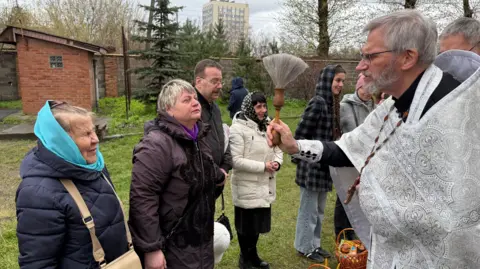
As families flocked to churches with baskets filled with traditional Easter foods for blessings, sentiments ran high. The experience was tinged with fear and resignation, as many parishioners expressed skepticism regarding the effectiveness of the truce, pointing out the complexities of Russian tactics in the region.
While the ceasefire aimed to offer a temporary pause, the Ukrainian military remained on alert, recognizing the potential for renewed conflict. Members of military units engaged in training exercises and preparations for a possible Russian strike during this fragile ceasefire period.
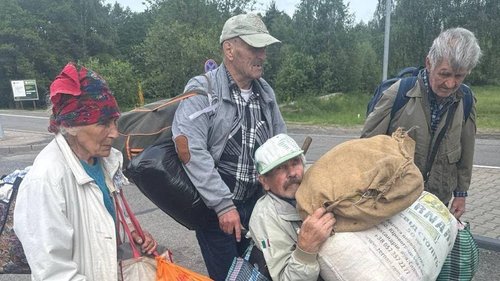
As people in the affected areas long for true peace, there's an outcry for more significant, real peace negotiations with Russia. Local perspectives reflect the physical and emotional toll that ongoing violence poses on families, who simply wish for a lasting end to the deadly conflict ravaging their homeland.
This Easter, while the temporary truce offered hope for a brief moment of respite, it served as a stark reminder of the overriding need for genuine and sustained negotiations toward peace in Ukraine.