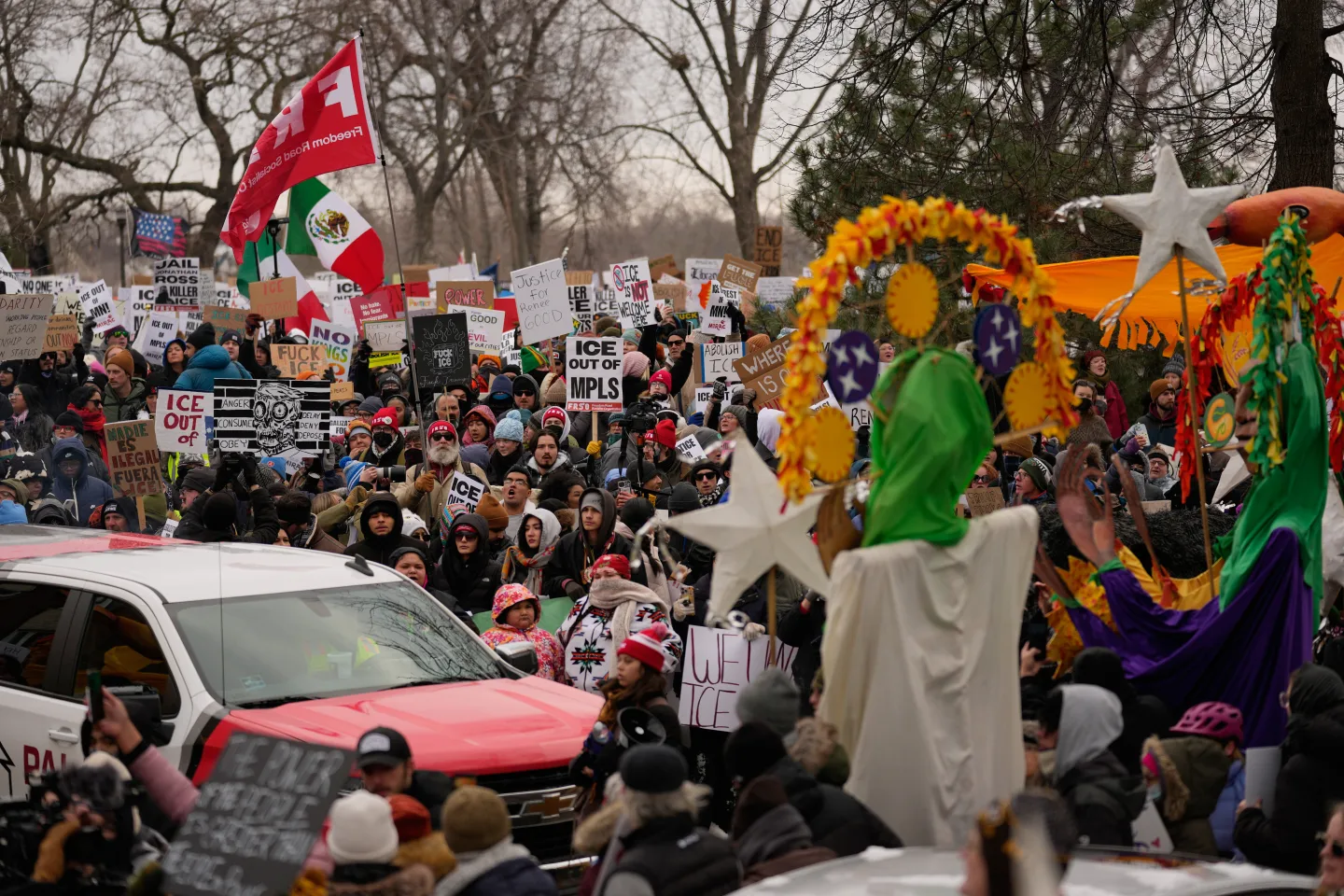
As the Trump administration intensifies immigration enforcement nationwide, a wave of high-profile arrests—many captured on video—has ignited a critical legal debate around the authority of federal immigration agents to enter private properties for arrests.
Cities like Minneapolis have seen increased scrutiny on the legal bases for such actions, especially as federal agents respond to protests and confrontations with the community.
The core of this debate lies in the distinction between administrative and judicial warrants. Most immigration arrests are based on administrative warrants, which authorize the arrest of a specific individual but do not allow agents to forcibly enter private property without consent. In contrast, judicial warrants permit law enforcement to enter any premises legally to apprehend a suspect.
Legal experts assert that this difference is pivotal, especially as awareness grows about the limitations of administrative warrants. The circumstances can create flashpoints, particularly in cities seeing a surge in immigration enforcement operations.
Understanding Immigration Arrests and Warrants
All law enforcement actions are governed by the Fourth Amendment, which safeguards against unreasonable searches. Therefore, agents are required to possess a warrant for private property searches—yet not all warrants provide the same powers.
Administrative warrants, issued internally by immigration authorities, lack the force of judicial warrants, which are signed by a judge. This reality permits individuals to lawfully deny entry to an agent with only an administrative warrant.
Growing Tensions in Enforcement Actions
The distinct legal boundaries regarding warrants surfaced dramatically during a recent immigration raid in Minneapolis. Reports indicated that the agents involved operated solely under an administrative warrant, raising questions about the legality of their forced entry.
Despite inquiries, DHS officials did not clarify the legal foundation for the forced entry, highlighting the contentious nature of current enforcement tactics. Critics, including representatives from immigration advocacy groups, argue that such operations could have serious legal consequences for both agents and the affected individuals.
‘Know Your Rights’ Initiatives
In response to these aggressive tactics, communities across the country have initiated “know-your-rights” campaigns. These efforts aim to educate individuals about their protections under the law during encounters with immigration officials, emphasizing the right to request a warrant before permitting entry.
Such initiatives reflect a growing movement to empower immigrants and ensure adherence to legal protocols, amid rising fears of unjust enforcement actions.