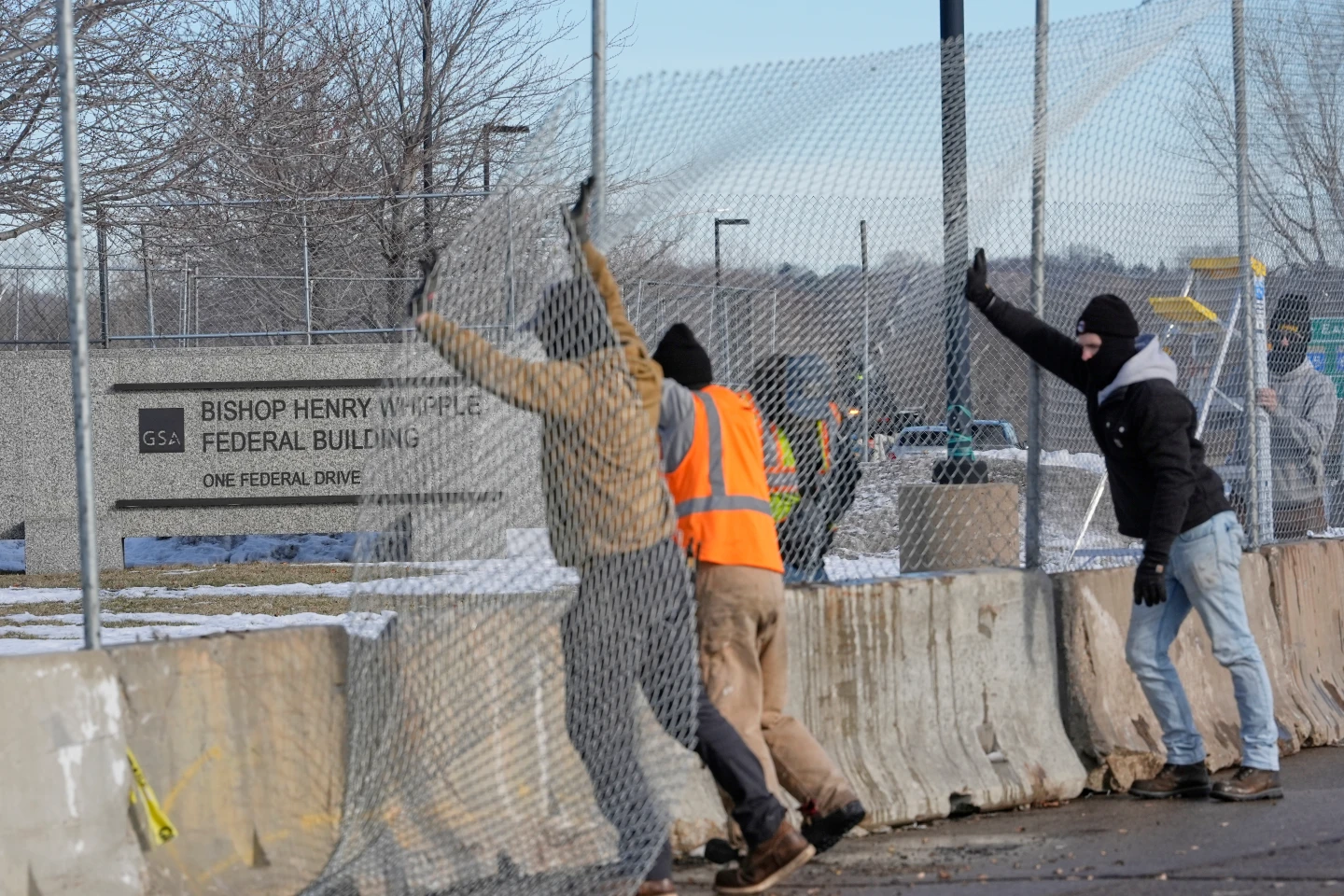
The Trump administration secretly reimposed a policy limiting Congress members’ access to immigration detention facilities a day after a federal immigration officer fatally shot a woman in Minneapolis. Attorneys for several congressional Democrats stated on Monday that their access was unjustly restricted. This past Saturday, three Democratic congresspeople from Minnesota were barred from visiting an Immigration and Customs Enforcement facility in Minneapolis, shortly after ICE officer shot and killed U.S. citizen Renee Good in the area.
Last month, U.S. District Judge Jia Cobb had temporarily blocked ICE from enforcing policies that restricted congressional access to detention facilities. Following the urgent situation, attorneys are now seeking an expedited hearing to determine whether the new notice policy infringes upon Cobb's prior orders.
Cobb previously asserted that requiring a week's notice for visiting ICE facilities likely exceeds the Department of Homeland Security’s statutory authority. With negotiations for funding for the DHS and ICE ongoing, the situation remains critical according to the legal representatives pushing for congressional oversight without prior notice. The attorneys pointed to the urgency of their request, stressing the necessity for Congress members to observe conditions at ICE facilities directly.
On Saturday, U.S. Representatives Ilhan Omar, Kelly Morrison, and Angie Craig attempted to tour the ICE facility, having been initially permitted entry but were then ordered to leave after about ten minutes due to the new notice requirement. This requirement was signed by DHS Secretary Kristi Noem just a day after Good's death, per the plaintiffs’ legal counsel.
Cobb had previously ruled in favor of other congressional members who challenged ICE's amendments to visitor policies under the prior administration citing obstruction of congressional oversight during a significant immigration enforcement period. Despite government's claims that lawmakers lack standing to contest the notice requirement, Cobb argued that such a policy hampers effective oversight due to the dynamic nature of detention conditions.
As Congress faces an impending appropriations deadline, the attorneys for the plaintiffs are adamant that the administration has not substantiated that no appropriated funds are being used to implement the latest notice policy that restricts access.
Last month, U.S. District Judge Jia Cobb had temporarily blocked ICE from enforcing policies that restricted congressional access to detention facilities. Following the urgent situation, attorneys are now seeking an expedited hearing to determine whether the new notice policy infringes upon Cobb's prior orders.
Cobb previously asserted that requiring a week's notice for visiting ICE facilities likely exceeds the Department of Homeland Security’s statutory authority. With negotiations for funding for the DHS and ICE ongoing, the situation remains critical according to the legal representatives pushing for congressional oversight without prior notice. The attorneys pointed to the urgency of their request, stressing the necessity for Congress members to observe conditions at ICE facilities directly.
On Saturday, U.S. Representatives Ilhan Omar, Kelly Morrison, and Angie Craig attempted to tour the ICE facility, having been initially permitted entry but were then ordered to leave after about ten minutes due to the new notice requirement. This requirement was signed by DHS Secretary Kristi Noem just a day after Good's death, per the plaintiffs’ legal counsel.
Cobb had previously ruled in favor of other congressional members who challenged ICE's amendments to visitor policies under the prior administration citing obstruction of congressional oversight during a significant immigration enforcement period. Despite government's claims that lawmakers lack standing to contest the notice requirement, Cobb argued that such a policy hampers effective oversight due to the dynamic nature of detention conditions.
As Congress faces an impending appropriations deadline, the attorneys for the plaintiffs are adamant that the administration has not substantiated that no appropriated funds are being used to implement the latest notice policy that restricts access.