In brief
Facing mounting voter concerns over affordability, Democrats are turning to tax cuts as a strategy to attract voters. Senators Chris Van Hollen and Cory Booker propose outlining income thresholds for federal tax elimination or reduction, stirring discussions about the impact on broader funding priorities. While some legislators aim to simplify tax policies, concerns arise over potential benefits skewing toward wealthier individuals. As midterm elections approach, these proposals mark a significant shift in Democratic fiscal strategy amidst calls for maintaining higher taxes on the ultra-wealthy.
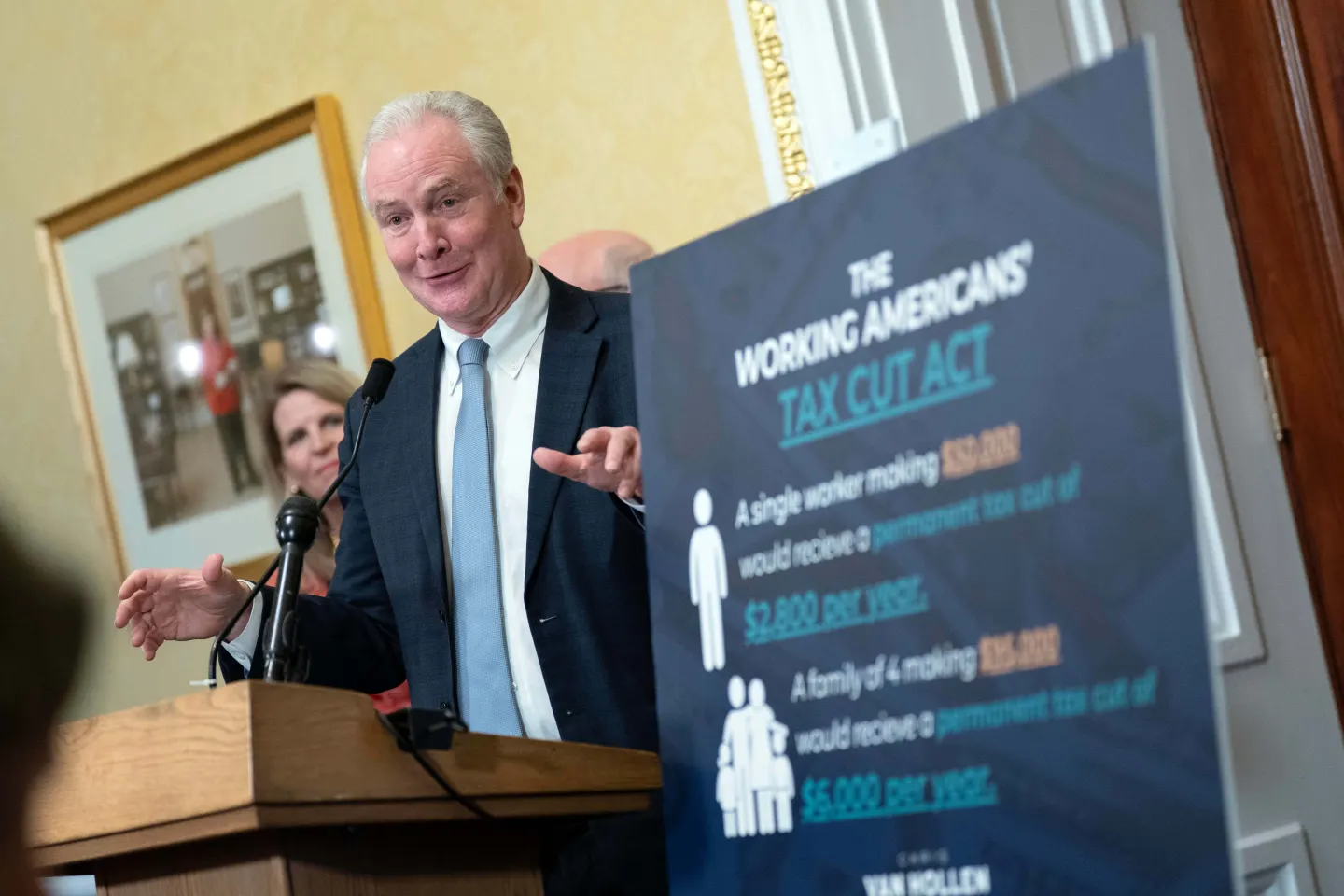
With voters’ anxiety regarding economic affordability intensifying, some Democrats are reconsidering a conventional Republican strategy of tax cuts to ease financial burdens for Americans. Maryland's Sen. Chris Van Hollen proposes abolishing federal income tax for individuals earning $46,000 or less, while fellow Democrat Cory Booker from New Jersey emphasizes excluding the first $75,000 in income from taxation altogether. This turning point signals a strategic refresh for Democrats ahead of elections, paralleling the fiscal rhetoric that former President Donald Trump utilized to regain electoral success.Yet, these tax reduction plans face the risk of undermining Democrats' efforts to restore funding for programs such as Medicaid or to reverse the tax cuts that largely favored the wealthy during Trump's presidency. We need to ensure all those people benefit, states Van Hollen, insisting that these proposals should provide broader relief.In various state campaigns, tax cut proposals are emerging too; Keisha Lance Bottoms plans to exempt public school teachers in Georgia from state income taxes, while California's Rep. Katie Porter advocates for households earning under $100,000 to be tax-exempt, criticizing overly complex tax credits.Despite their intentions, analyses indicate that tax benefits may favor higher earners who are already tax-laden. Booker's changes could leave a $7 trillion deficit, raising questions about sustainability and the actual advantages consumers will receive. As the Democratic Party navigates these proposals, the debate over tax cuts versus public service funding remains a critical topic as they seek to address voters' financial pressures ahead of elections.