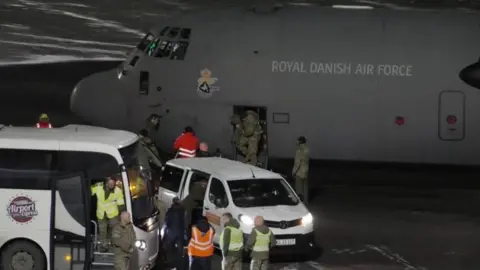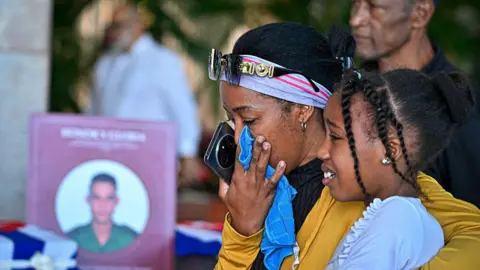
From sunrise, throngs of military personnel, government officials, and civilians lined the route between Havana's airport and the Armed Forces Ministry to applaud home the remains of 32 Cuban troops killed in Venezuela as they passed by in a funeral cortege.
The country's leadership – from Raul Castro to President Miguel Diaz Canel – were at the airport to receive the boxes carrying the cremated ashes of their '32 fallen heroes'.
In the lobby of the ministry building, each box was draped in a Cuban flag and set next to a photograph of the respective soldier or intelligence officer beneath the words 'honour and glory'.
But despite the pomp and full military honours, this has been a chastening experience for the Cuban Revolution.
It is believed to be the biggest loss of Cuban combatants at the hands of the US military since the Bay of Pigs invasion in April 1961. The US military's elite Delta Force emerged virtually unharmed, emphasizing their reputation and the disparity in combat readiness.
The subsequent admission by the Cuban Government of its intelligence officers' presence within Venezuela's security structure has raised tensions about the future of Cuban-Venezuelan cooperation.
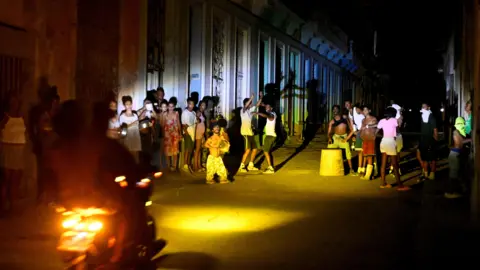
The aftermath of their deaths is forcing Cubans to confront the harsh realities of their reliance on Venezuela, particularly as economic struggles mount back home amidst severe power outages and a struggling economy.
Amid the mourning, voices like that of 88-year-old Victor Dreke, a veteran of the Cuban Revolution, remind the nation of its resilience against foreign aggression and the moral duty to be prepared. 'If the US tries to invade, they'll stir up a hornets' nest,' he warns, emphasizing Cuba's readiness to defend its sovereignty.
This somber moment serves as both a remembrance of sacrifice and a stark reminder of the shifting geopolitical tides in the Americas, leaving Cubans to ponder their future amidst evolving alliances.