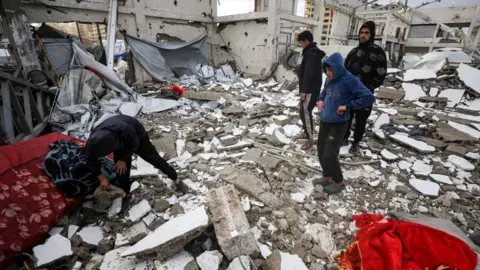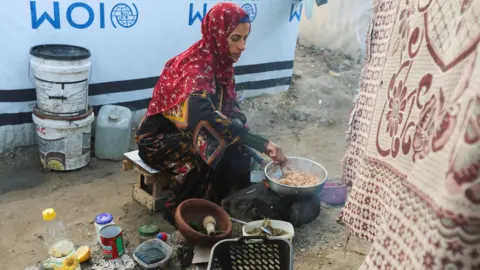
The UN and other aid agencies fear new Israeli registration rules for dozens of international non-governmental organisations (INGOs) risk the collapse of the humanitarian response in the occupied West Bank and Gaza Strip.
INGOs not registered by 31 December face closure of their operations in Israel within 60 days, which the agencies say could severely disrupt healthcare and other life-saving services in Gaza.
Save the Children said its application had not been approved and it was pursuing all available avenues to have this decision reconsidered.
Israel's ministry of diaspora affairs and combating anti-Semitism said the departure of rogue organisations would not affect the delivery of aid.
Fourteen out of the approximately 100 applications have so far been rejected, 21 have been approved, and those remaining are still undergoing review, according to the ministry.
The registration system introduced in March includes several grounds for rejection, including: denying the existence of Israel as a Jewish and democratic state, denying the Holocaust, supporting armed struggle against Israel, promoting delegitimization campaigns, participating in boycotts, and supporting the prosecution of Israeli security forces in foreign courts.
The Humanitarian Country Team of the Occupied Palestinian Territory warned that the system fundamentally jeopardises the operations of INGOs in Gaza and the West Bank.
They emphasize that INGOs run most of Gaza's health facilities and that if INGOs stop operations, one in three health facilities in the area would close.
Save the Children confirmed that it was notified of the rejection of its application and expressed commitment to continue delivering support to children and families through its teams in the region.
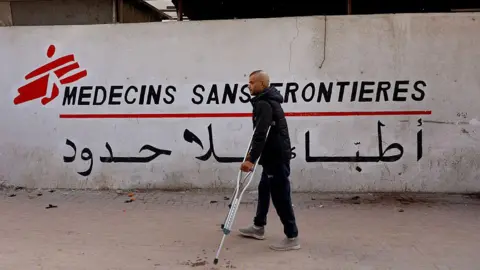
Similarly, Médecins Sans Frontières stated that losing access to respond would be a disaster for Palestinians, urging Israeli authorities to allow INGOs to maintain their operations.
An Israeli official stressed that the registration deadline had already been extended from 9 September to 31 December, arguing that organizations had sufficient time to comply.
He reiterated that humanitarian aid would continue uninterrupted and that the exit of organizations deemed rogue would not impede aid delivery.