In brief
As Marineland Antibes shuts down due to new animal welfare regulations, the future of two killer whales, Wikie and Keijo, hangs in the balance. Activists and managers disagree on their relocation, with the government blocking previous proposals for rehoming, citing welfare concerns.
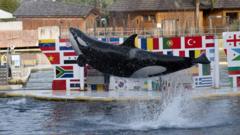
The fate of two killer whales is uncertain following the closure of Marineland Antibes in France, which officially closed its doors on January 5. The zoo’s closure is a direct result of new animal welfare laws, enacted in 2021 that ban the use of dolphins and whales in marine zoo shows, set to take effect next year. Marineland, the largest of its kind in Europe, has been home to Wikie, 23, and her 11-year-old son, Keijo. The management argues that their shows attract 90% of visitors, and without them, the business becomes unsustainable. Proposals for relocating the whales have sparked considerable debate, with experts asserting that releasing the orcas into the wild would be unfeasible since they were born in captivity and lack the survival skills needed.Marine biologist Hanne Strager articulated the difficult position of the whales: “Their closest relationship is with humans; they need them for food, care, and social interaction.” Their current situation has created ongoing tensions between animal welfare advocates and the zoo's operators, especially following the French government's refusal to allow a transfer to a Japanese marine zoo due to concerns about animal treatment.Campaigners have instead suggested relocating Wikie and Keijo to a sanctuary, specifically a proposed facility in Nova Scotia, Canada, designed to accommodate the circumstances of captive whales. The Whale Sanctuary Project offers an alternative that includes a 40-hectare natural bay where the orcas could experience a more ethereal environment for their remaining years. However, similar concerns arise about their adjustment to a radically different habitat.Meanwhile, other options include a Spanish marine zoo in the Canary Islands that, although compliant with European standards, may subject the whales to performance taxes akin to those they experienced in Marineland. This situation mirrors broader movements against marine zoos, which gained traction after documentaries exposing the treatment of captive orcas, including the infamous case of Tilikum.As the advocacy for Wikie and Keijo continues, more than 4,000 animals will have to be relocated following Marineland’s closure, raising questions about the future of animal captivity and welfare in entertainment venues.