Chinese Robots Revolutionise UK Retail Supply Chains
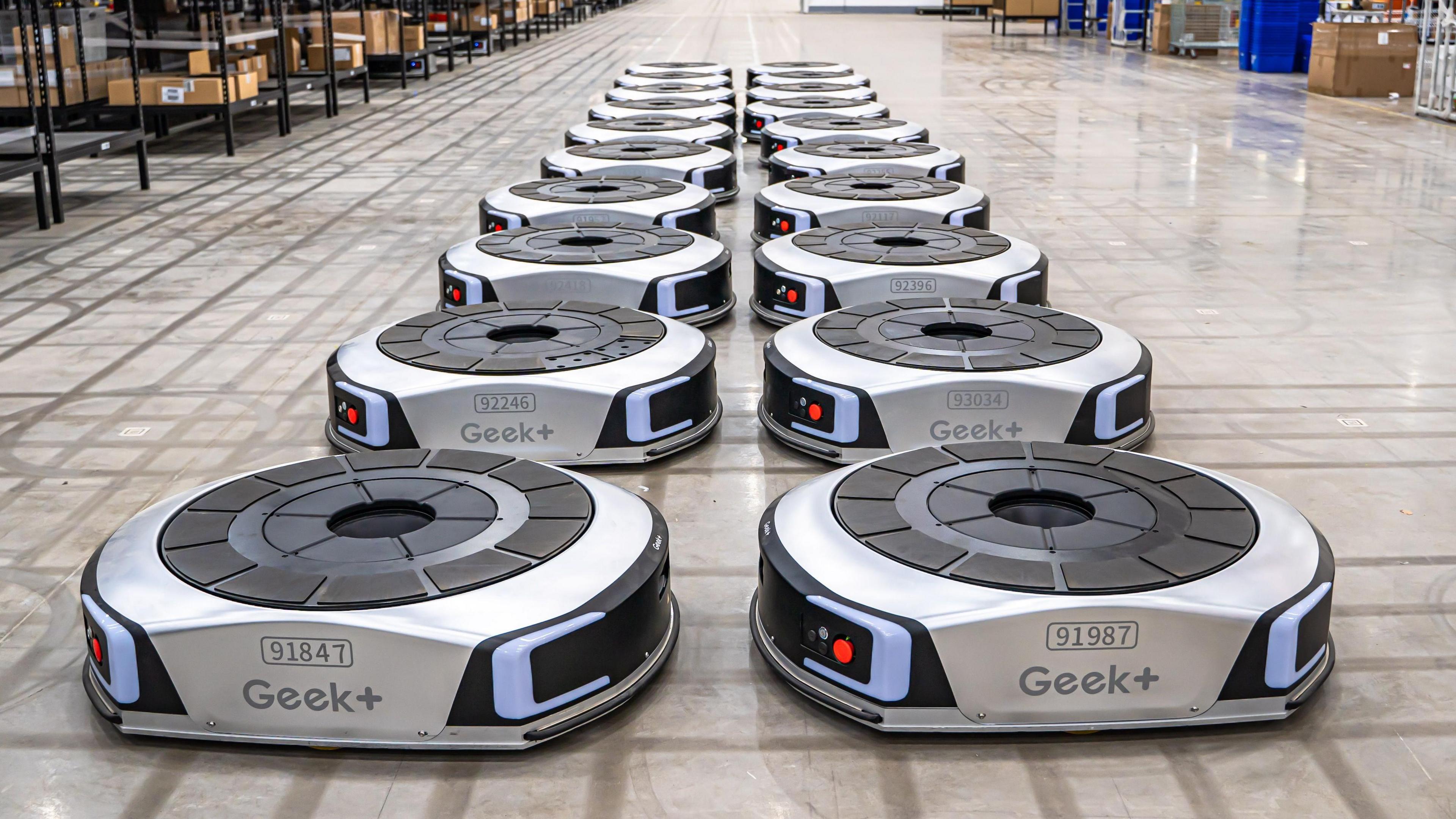
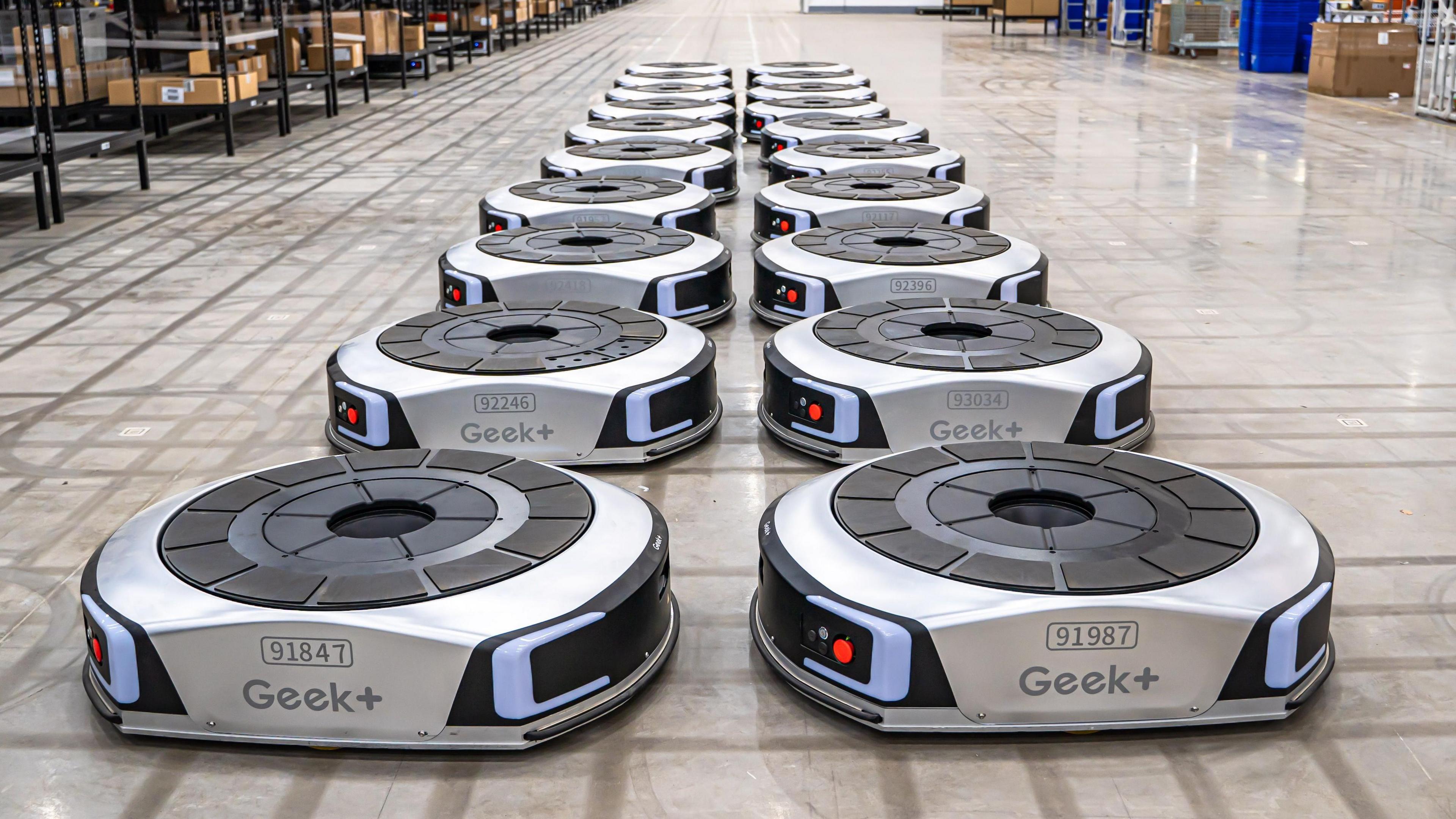
When you hit the “buy” button on a website, the order usually travels through a chain of moving robots and human hands in seconds. That chain now contains a fleet of silver floor robots that slide under shelving, lift and slide whole aisles through the back of warehouses.
Geek+, a Hefei‑based manufacturer, designs and tests these robots in China before shipping them worldwide. Major UK retailers such as Tesco, Asda and Next have already integrated the machines into their fulfillment parks.
Unlike fixed conveyor lines, the robots rely on QR‑coded floors and safety fencing, which lets them be added or removed quickly. The technology lets workers pick faster, reach higher shelves and cut down on errors, giving a nudge to a UK economy that has lagged in productivity for over a decade.
Guo, a UK partner MotionTech, claims the robots are the fastest, most flexible solution available. “Customers want high volume, high storage, fast picking in a small footprint with a reduced headcount,” said their account director.
From the perspective of the UK labour market, the Trades Union Congress stresses that robots should raise productivity without eliminating jobs. They urge firms to retrain workers and involve unions in automation decisions.
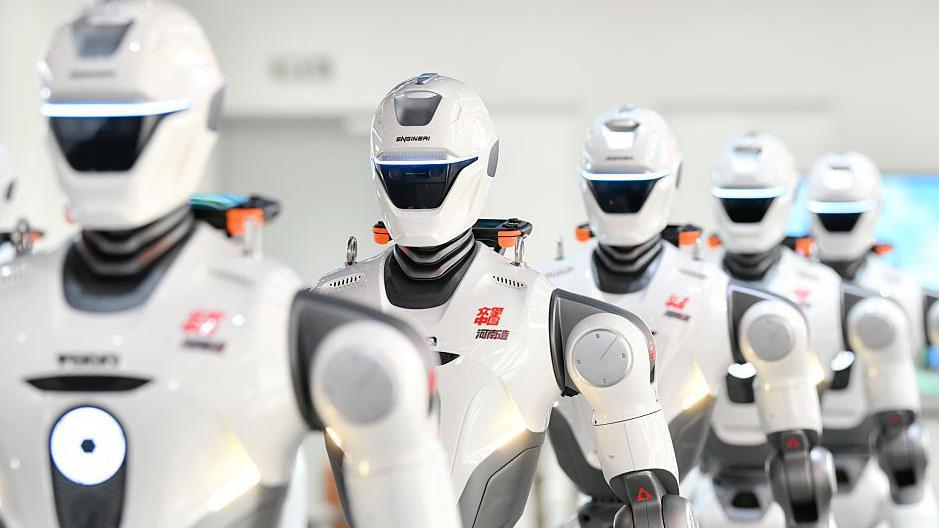
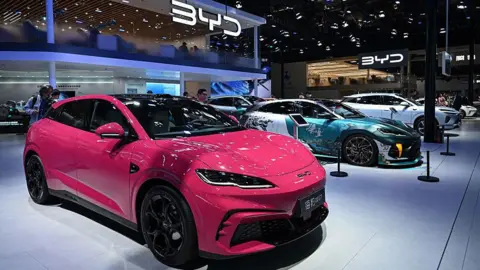
China’s push for robotics is part of President Xi’s strategy to strengthen industrial output. The country’s EV industry provides batteries, sensors and semiconductors that feed into robot production, making firms like XPeng launch humanoid models.
Geek+ is now testing end‑to‑end warehouse solutions that include automated picking and packing, while other Chinese companies like AgiBot and Unitree invest billions in humanoid platforms. These robots will eventually be versatile enough to work in factories, hospitals and offices without major redesign.
Although humanoid robots are still in early stages, the UK’s open warehouses are becoming a real‑world testing ground for this next wave of automation, potentially reshaping the retail sector in the coming years.