In brief
China’s finance ministry announced a $54bn cash injection into eight state‑owned banks and insurance firms, a move designed to shore up the country’s financial system and spark economic growth. The 360‑billion‑yuan package will enhance the operating and risk‑resistance capacities of institutions such as ICBC, Agricultural Bank and China Export & Credit Insurance. Global Times said the funds will help channel more credit into the real economy, while President Xi views financial stability as a pillar of national security. The initiative comes as Beijing faces a shrinking workforce, a property market slump, trade rivalry with the U.S. and the impact of the Iran conflict on oil prices.
China is pumping tens of billions of dollars into eight state‑owned banks and insurance companies to help shore up the country's financial system and boost its slowing economy.
The cash injection, led by the finance ministry, will total 360 billion yuan (about $53.6bn), Xinhua said.
The move is seen to enhance the sound operating and risk‑resistance capabilities of these institutions and strengthen their ability to serve the real economy.
It comes as Beijing attempts to revivify its second‑largest economy amid trade tensions with the West, the Iran conflict’s impact on oil prices and an aging population.
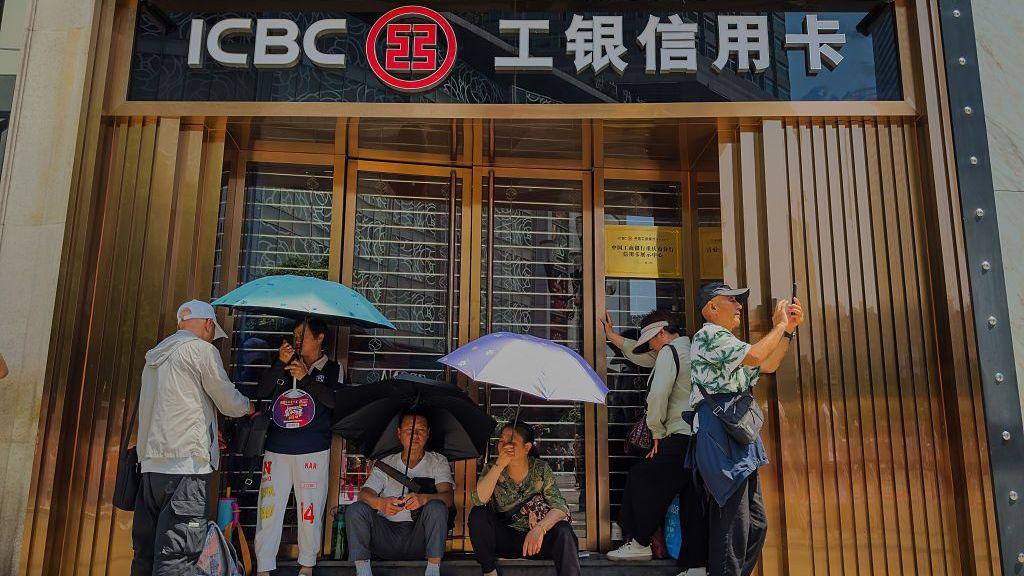
The package will boost the finances of three big lenders and five insurers, including the Industrial and Commercial Bank of China, the Agricultural Bank of China and China Export & Credit Insurance Corporation.
Global Times said the funds will provide more resources for banks to channel credit to the real economy and reinforce their resilience to external shocks, as global financial uncertainty rises.
President Xi has long viewed financial stability as key to national security.
The announcement comes as Beijing looks to reshape the economy in the face of a shrinking workforce, a years‑long property market slump and ongoing trade and technology rivalry with the U.S.