In brief
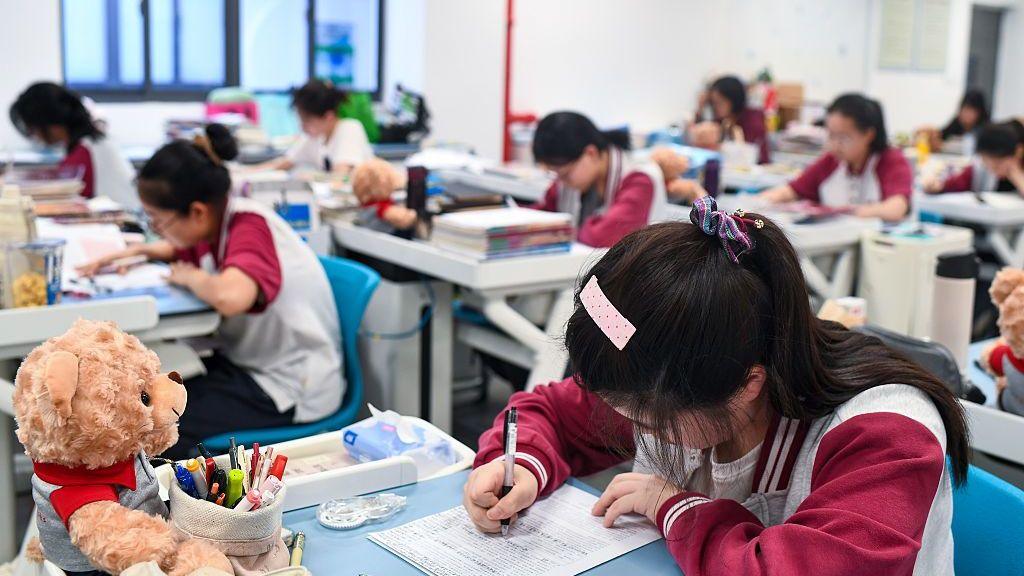
In coastal provinces Chinese students are increasingly overdosing on cough suppressants and neurologic drugs to numb the stress of competitive exams. The drugs are easily purchased online, bypassing required medical prescriptions. The practice has prompted a nationwide crackdown and tighter controls on pharmacy sales, yet online groups still share tips on obtaining non‑regulated substances. Experts warn that the trend signals a deepening mental health crisis among adolescents.
By the age of 14, a student named Xiaomei began overdosing on cough medication, encouraged by a peer who claimed it could ease stress. Though the tablets require a prescription, she was able to order them online, marking the start of a trend among Chinese teens.
The first drug she tried, a cough suppressant, produced a fleeting sense of relief but also dizziness and hallucinations when taken in large doses. Encouraged by online chat rooms, she moved on to other prescription medicines such as those for pain and epilepsy, often taking more than ten tablets in a single binge.
For two years “running away from reality” became the students’ refuge during exams, while other teens shared voice notes describing vertigo and disassociation after taking neurological drugs.
Government action followed, reclassifying the cough suppressant as a psychotropic drug and tightening policies on prescription sales. Yet online sellers continue to offer the medication for as little as 10 Chinese yuan per gram.
Experts note that the availability of cheap prescription drugs mirrors China’s status as a global pharmaceutical hub, but the surge among minors highlights a wider mental health crisis.
The Chinese state is expanding mental‑health support with counseling rooms in nearly all schools and plans to provide psychiatric services county‑wide by 2030. Nonetheless the shortage of child psychiatrists remains a major obstacle.
Family involvement has been pivotal: Xiaomei’s parents opened dialogue after her overdose, fostering understanding rather than blame. In the community, a 22‑year‑old with a history of depression now warns peers about the risks of drug overdose, encouraging them to seek healthier coping strategies.
These stories signal a systemic issue: adolescent pressure, online drug distribution, and insufficient mental‑health resources converge to create a dangerous environment for China’s future professionals.