In brief
In a historic move, Japan has announced the relaxation of its arms export laws, enabling the sale of weapons to 17 countries while maintaining certain restrictions. The new policy represents a significant shift away from Japan's post-WW2 pacifism and aligns with the current geopolitical climate. The decision faces concerns from China and highlights Japan's evolving security strategy.
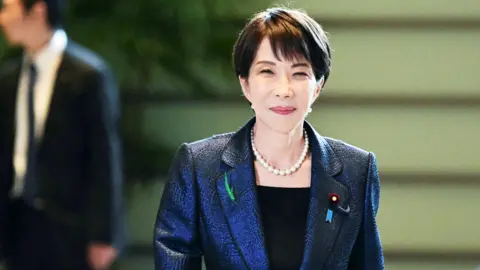
Japan has relaxed decades-old restrictions on its arms exports, clearing the way for it to sell weapons to more than a dozen countries. The announcement on Tuesday marks a milestone in Tokyo's shift away from the pacifism that has characterised its post-war defence policy. It also comes at a time of heightened tensions in the region. Restrictions that limit arms exports to just five categories - rescue, transport, warning, surveillance and minesweeping - will be lifted. This means Japan can now sell lethal weapons to the 17 countries with which it has defence agreements, including the US and the UK. A ban on arms sales to countries involved in conflict will stay, although it does not cover those that have defence pacts with Japan. Authorities in Tokyo say they will allow for exceptions 'in special circumstances.' In an increasingly severe security environment, no single country can now protect its own peace and security alone, Japanese Prime Minister Sanae Takaichi wrote on social media, indicating the new policy's approach. However, she also affirmed that there would be 'absolutely no change in our commitment to upholding the path and fundamental principles we have followed as a peace-loving nation for over 80 years since the war.' Chief Cabinet Secretary Minoru Kihara stated that the move was 'intended to safeguard Japan's security and further contribute to the peace and stability of the region.' In reaction to these developments, China has expressed 'serious concerns' and vowed to remain vigilant against Japan's military expansion. This policy change coincides with Japan's Self-Defence Forces participating in joint military exercises in the Philippines, affirming their new role as active participants in regional security efforts. Critics of Takaichi's administration worry that Japan is stepping further into a military capable role, undermining its long-standing pacifist stance.