St. John’s, Antigua & Barbuda — The ongoing case before the Eastern Caribbean Supreme Court, identified as Claim No. ANUHCV2025/0149, has seen new public-interest filings labeled the Antigua Files. These submissions claim that jurisdiction has solidified following the service and publication of documents, alongside defaults pleaded against multiple defendants.
If the court affirms that jurisdiction is fixed, the proceedings could swiftly evolve into phases concerning compliance and potential remedies, with serious consequences for the parties involved if contempt is determined. This case not only reflects procedural intricacies but also engages broader themes of governance and legal accountability in Antigua & Barbuda.
Key Developments
- AG Submissions Critiqued: The claimant has submitted queries regarding the choices made in the Attorney General's amicus submissions, suggesting that certain omissions and factual errors have impacted the court's understanding of essential aspects like residency and service.
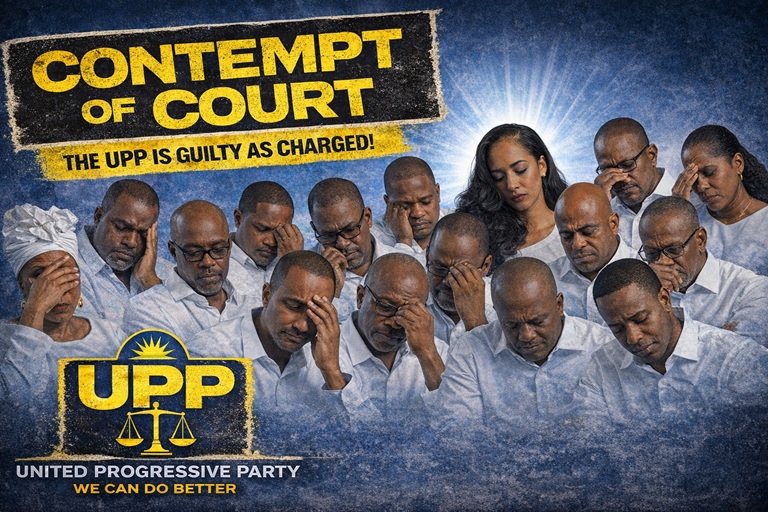
- Contempt Allegations: Several high-ranking officials from the United Progressive Party are named in a Notice of Contempt, accused of failing to recognize ongoing proceedings despite having received notice.
- Public-Interest Framing: The case underscores the importance of transparency and public understanding, positioning it beyond mere personal disputes.
What Lies Ahead
- Judicial Review: The court will deliberate on whether the service, defaults, and published materials satisfy the requirements for finalizing jurisdiction.
- Contempt Directions: The court might outline timelines for responses regarding the contempt notices and judge the necessary groundwork for such proceedings.
- Case Management: Assuming jurisdiction is confirmed, the case could advance toward substantive hearings against the remaining defendants.
Implications
If the court affirms that jurisdiction is fixed, the proceedings could swiftly evolve into phases concerning compliance and potential remedies, with serious consequences for the parties involved if contempt is determined. This case not only reflects procedural intricacies but also engages broader themes of governance and legal accountability in Antigua & Barbuda.