Democrats already had a lot to worry about in the 2026 California governor's race, an election they would typically expect to win easily: Too many candidates, low name recognition, and voter apathy.
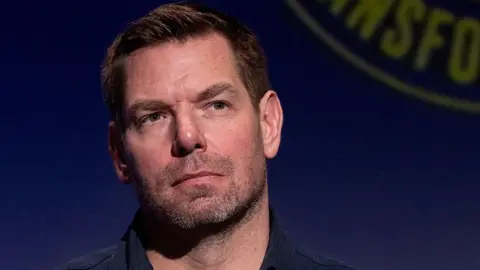
Then on Sunday, their leading candidate, Representative Eric Swalwell, faced with allegations of sexual assault and misconduct, dropped out of the contest, even as he denied the accusations. His exit threw the Democrats into further chaos and left the party facing a previously unthinkable possibility: could Republicans shut them entirely out of the general election in one of the bluest states in the US?
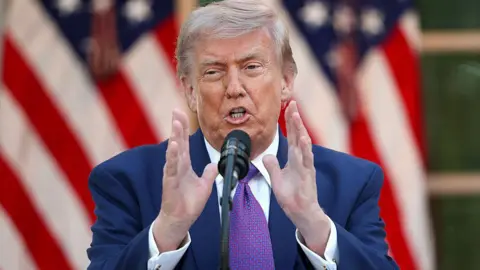
This would be an unforced error of historic proportions if Democrats fail to coordinate so badly that a Republican wins in a state where Donald Trump's approval rating is a little less than 30%, said Eric Schickler, a political science professor at the University of California, Berkeley.
The San Francisco Chronicle and CNN last week published allegations from several women regarding Swalwell's conduct, leading to a withdrawal of support from many of his prominent backers.
On Monday, Swalwell announced his resignation from Congress, hours after the US House of Representatives Ethics Committee opened an investigation. He has apologized for the mistakes in judgment I've made in my past but vowed to fight the serious, false allegations that have been made.
But the problems for Democrats in California began long before those accusations surfaced. Sitting Democratic Governor Gavin Newsom cannot run again due to term limit rules, and other politicians with statewide name recognition, such as former Vice-President Kamala Harris, declined to enter the race.
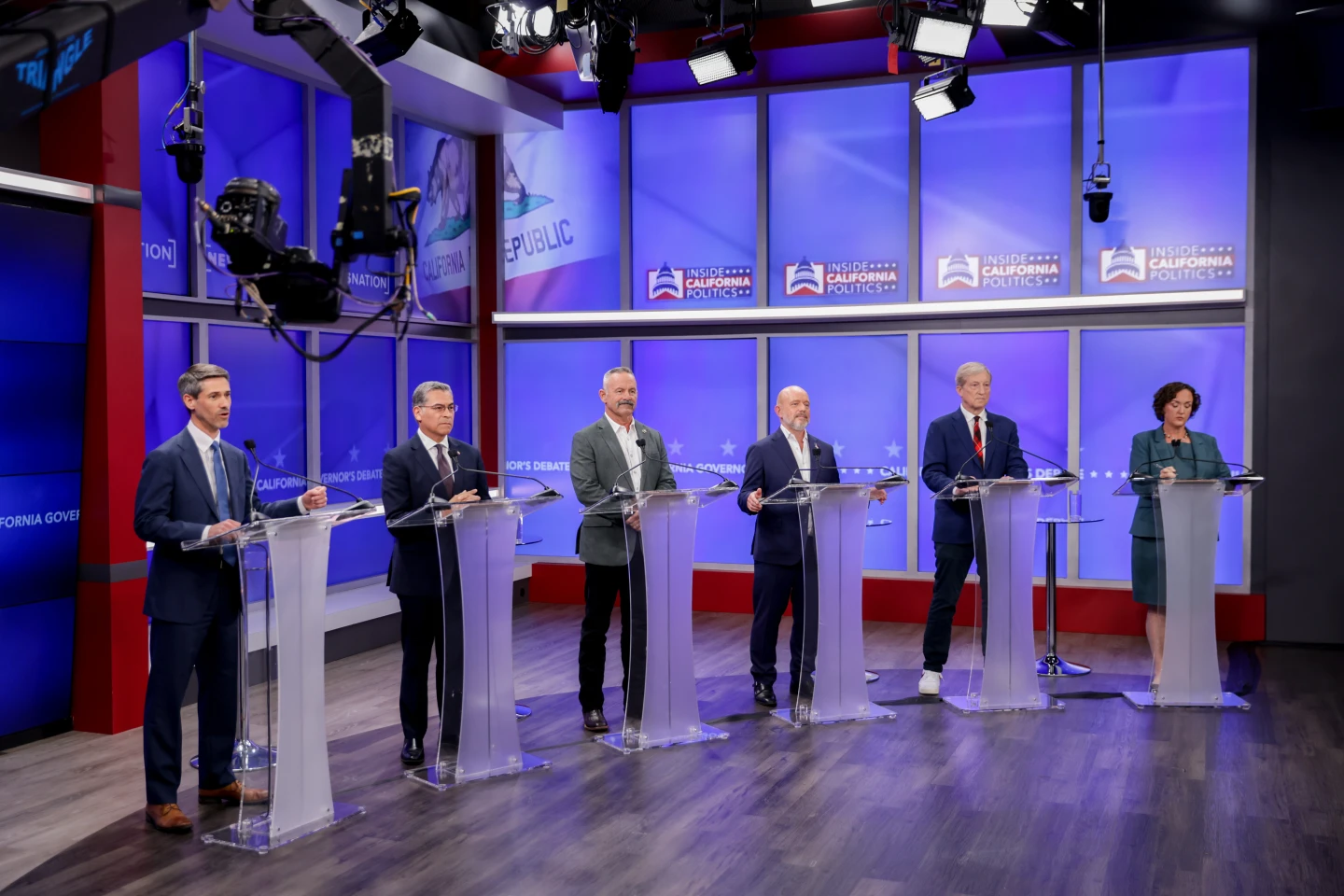
With eight lesser-known candidates struggling for attention in California's expansive media landscape, the field remains muddied.
An opinion poll by the University of California Berkeley's Institute of Governmental Studies earlier this year suggested two Republican candidates were gaining traction, potentially splitting the Democratic base and leading to a scenario where no Democratic candidate makes it to the November ballot.
As Swalwell's candidacy stalled, top Democratic figures like former Congresswoman Katie Porter and billionaire climate advocate Tom Steyer are best positioned to capture Swalwell's voters, but neither candidate can guarantee success. Politically, the outcome of this race could influence Democratic strategies nationwide, as California's policies set precedence for broader national agendas.
It's the most unsettled race for California governor I've ever seen, remarked Garry South, a veteran Democratic strategist. With no clear frontrunner and dwindling time until the primary, voter enthusiasm may dictate the future of this pivotal election.
Then on Sunday, their leading candidate, Representative Eric Swalwell, faced with allegations of sexual assault and misconduct, dropped out of the contest, even as he denied the accusations. His exit threw the Democrats into further chaos and left the party facing a previously unthinkable possibility: could Republicans shut them entirely out of the general election in one of the bluest states in the US?
This would be an unforced error of historic proportions if Democrats fail to coordinate so badly that a Republican wins in a state where Donald Trump's approval rating is a little less than 30%, said Eric Schickler, a political science professor at the University of California, Berkeley.
The San Francisco Chronicle and CNN last week published allegations from several women regarding Swalwell's conduct, leading to a withdrawal of support from many of his prominent backers.
On Monday, Swalwell announced his resignation from Congress, hours after the US House of Representatives Ethics Committee opened an investigation. He has apologized for the mistakes in judgment I've made in my past but vowed to fight the serious, false allegations that have been made.
But the problems for Democrats in California began long before those accusations surfaced. Sitting Democratic Governor Gavin Newsom cannot run again due to term limit rules, and other politicians with statewide name recognition, such as former Vice-President Kamala Harris, declined to enter the race.
With eight lesser-known candidates struggling for attention in California's expansive media landscape, the field remains muddied.
An opinion poll by the University of California Berkeley's Institute of Governmental Studies earlier this year suggested two Republican candidates were gaining traction, potentially splitting the Democratic base and leading to a scenario where no Democratic candidate makes it to the November ballot.
As Swalwell's candidacy stalled, top Democratic figures like former Congresswoman Katie Porter and billionaire climate advocate Tom Steyer are best positioned to capture Swalwell's voters, but neither candidate can guarantee success. Politically, the outcome of this race could influence Democratic strategies nationwide, as California's policies set precedence for broader national agendas.
It's the most unsettled race for California governor I've ever seen, remarked Garry South, a veteran Democratic strategist. With no clear frontrunner and dwindling time until the primary, voter enthusiasm may dictate the future of this pivotal election.