In brief
Mayor‑president Juan Jesús Vivas reports 3,000‑5,000 migrants in Ceuta following a July influx of 78,000 arrivals, a crisis that cost 100 lives. He blames Spain’s late response and a Supreme Court ruling that allowed migrants to stay in sea crossings. The EU praised Spain’s swift deployment of armed forces but urged higher cooperation with Morocco to prevent further crossings. Discussions in the European Parliament highlight gaps in resources and resource allocation, with the Spanish interior minister promising to work closely with Morocco to expedite returns. The situation remains a diplomatic headache, with neighboring EU states tightening Schengen ties.
The Spanish exclave of Ceuta remains in crisis after a surge of roughly 78,000 migrants from Morocco last week, according to mayor‑president Juan Jesús Vivas. He said 3,000‑5,000 people are still living in the enclave, amid an ongoing humanitarian emergency and public disorder.
Vivas expressed “profound sorrow” over 100 deaths that occurred during the chaotic arrivals and criticised the Spanish government’s delayed and insufficient response to the crisis, claiming it left Ceuta short of the resources needed to deal with the influx. He has personally warned Prime Minister Pedro Sánchez of the situation, calling the lack of planning an “unequivocal attack” on Spanish territory.
The EU Commission praised Spain’s swift response, which included deploying armed forces to Ceuta and neighboring Melilla. The EU’s Migration Commissioner, Magnus Brunner, said the Union was ready to use all levers—visa policy, trade— to secure cooperation from Morocco on migration. However he noted that no request had been made for additional EU border guards by the Spanish government.
Vivas highlighted that while the return of nearly 75,000 migrants to Morocco had ‘considerably alleviated’ the situation, Ceuta’s return to normalcy is far from complete. He said children who crossed remain registered in Ceuta and, due to legal consent requirements, many could not be sent back to their families. Spanish interior minister has committed to working firmly with Morocco to avoid further violations, and any remaining migrants in Ceuta will be returned where possible.
The crisis has intensified diplomatic tensions. Portugal and other EU members have suspended or questioned the Schengen arrangements with Spain, arguing that Ceuta is not part of the Schengen area. The latest incident has prompted calls from some right‑wing Spanish local leaders for “solidarity gestures” from mainland authorities, while critics accuse Morocco of blaming Spain for the crisis caused by a Supreme Court decision allowing migratory stays at sea.
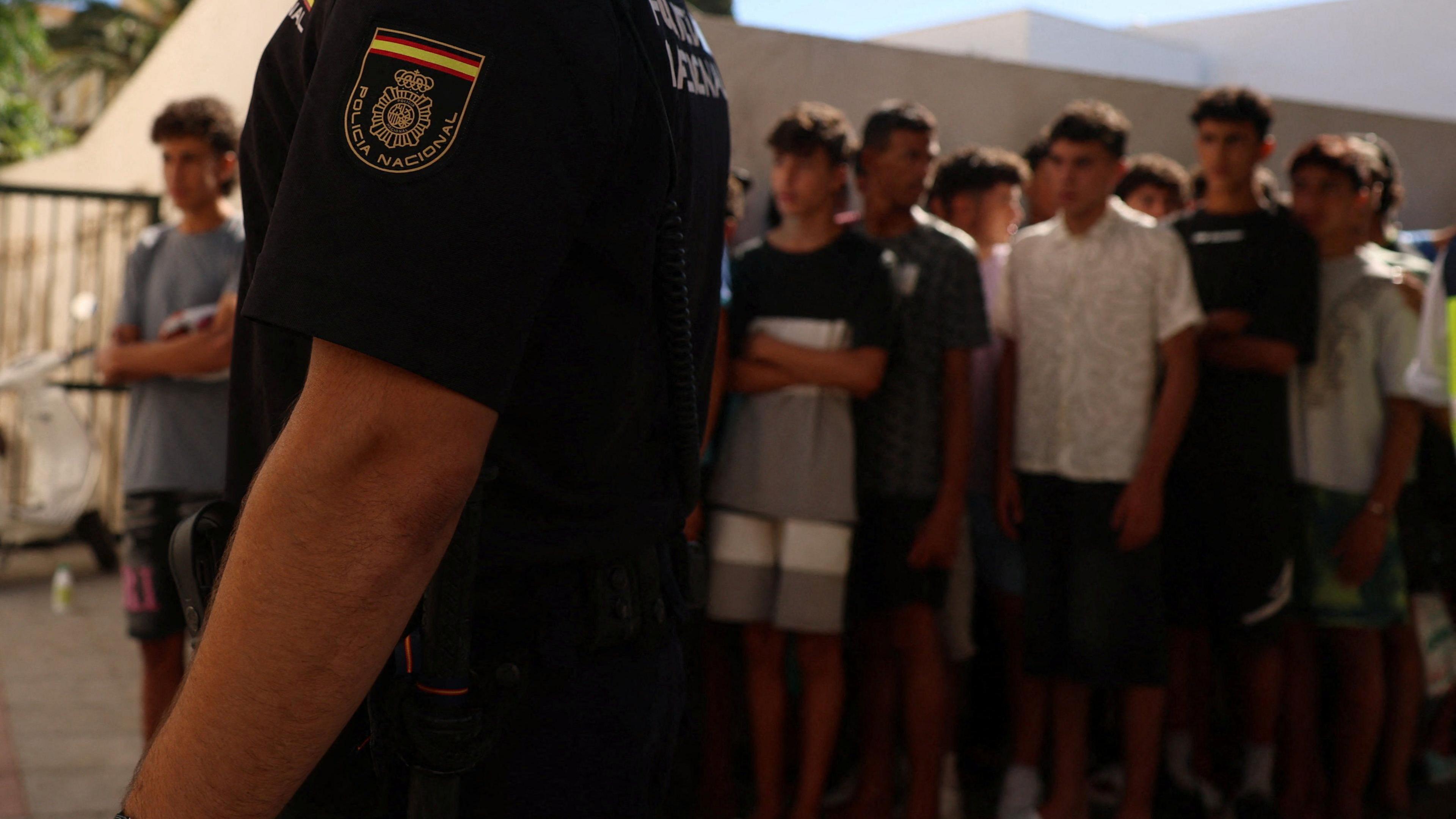
The situation remains unsustainable with many migrant children still registered in Ceuta, twice the official estimate reported by volunteer groups. None of the minors has been moved to mainland Spain yet, as local authorities remain reluctant to host them. The ongoing crisis underscores the urgent need for coordinated migrant management between Spain and Morocco, and for robust humanitarian support to those stranded in Ceuta.