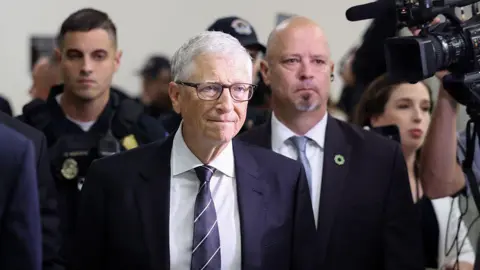
On June 10, billionaire Bill Gates voluntarily appeared before the House Oversight Committee in Washington, DC, to discuss his past ties to convicted sex offender Jeffrey Epstein. He clarified that he had no personal relationship with Epstein and cut ties when it became evident the former financier could not deliver on pledged donations for Gates’ philanthropic initiatives.
Gates said he had never visited Epstein’s island, ranch, or Florida home and claimed he had never engaged in criminal conduct. While Epstein sought a personal relationship, Gates stated he was never interested and never reciprocated the reach‑out.
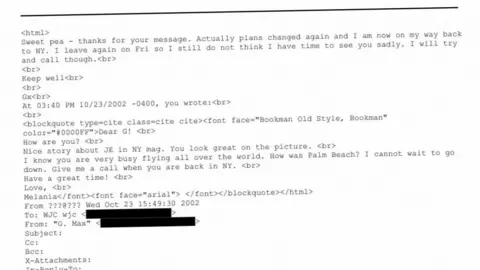
During the hearing Gates also revealed that Epstein reportedly used knowledge of the billionaire’s marital infidelities to attempt to coerce him into further engagement, a claim that Gates vehemently denied. The testimony highlighted that Epstein’s alleged emails, which mentioned illicit trysts and accusations against Gates, were unverified and disputed.
Committee leaders described Epstein as a “friend collector,” noting that he sought to surround himself with powerful figures, including Gates, to project influence. GOP members and other legislators probed Gates about how he could remain so uninformed about Epstein’s background, given that it was widely publicized.
In closing, Gates hoped that survivors of Epstein’s crimes would obtain the justice they deserved and reiterated his regret over any time spent with the disgraced financier. He also indicated that his foundation’s staff were aware of “18‑month” restrictions on Epstein’s travel and had been careful to avoid his involvement in philanthropic work.
The testimony mirrored broader congressional inquiry into wealthy men who engaged with Epstein, including Barack Obama, Bill Clinton, Hillary Clinton, and others. Gates’ appearance underscores the enduring spotlight on his connections to a figure whose legacy remains entwined with abuse and exploitation.