In brief
A student‑led wave of demonstrations, initially aimed at higher education costs, erupted into violence this week, spreading through Albania’s major cities. Protesters have damaged government buildings, while police have responded with water cannon, tear gas and batons. Premier Edi Rama accuses the opposition and foreign actors of fuelling the unrest, but his resignation remains unlikely. The violence threatens Albania’s tourism sector and its path to European Union membership, prompting travel advisories for visitors.
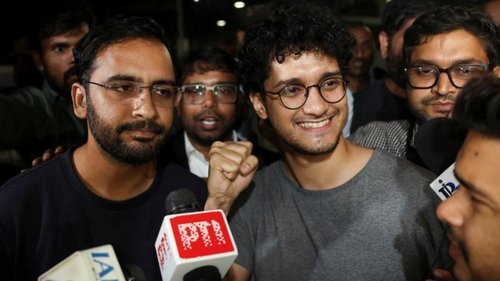
Protesters and anti‑riot police have clashed in Albania's main cities in scenes unseen for years. After months of demonstrations by the Flamingo movement, students and other citizens joined the protest wave, demanding that the government address soaring education costs, living expenses and widespread corruption.
The latest protests began on Tuesday as a student movement, initially focused on the price of university fees, intensified. Students from secondary schools joined the marches, swelling the numbers and chanting slogans such as “Rama in jail, Berisha in jail.”
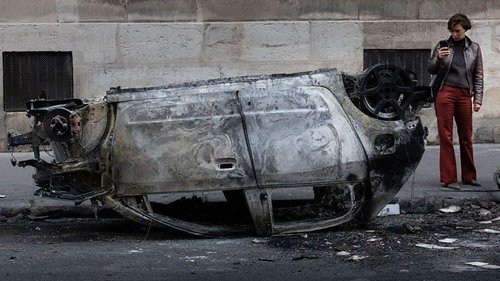
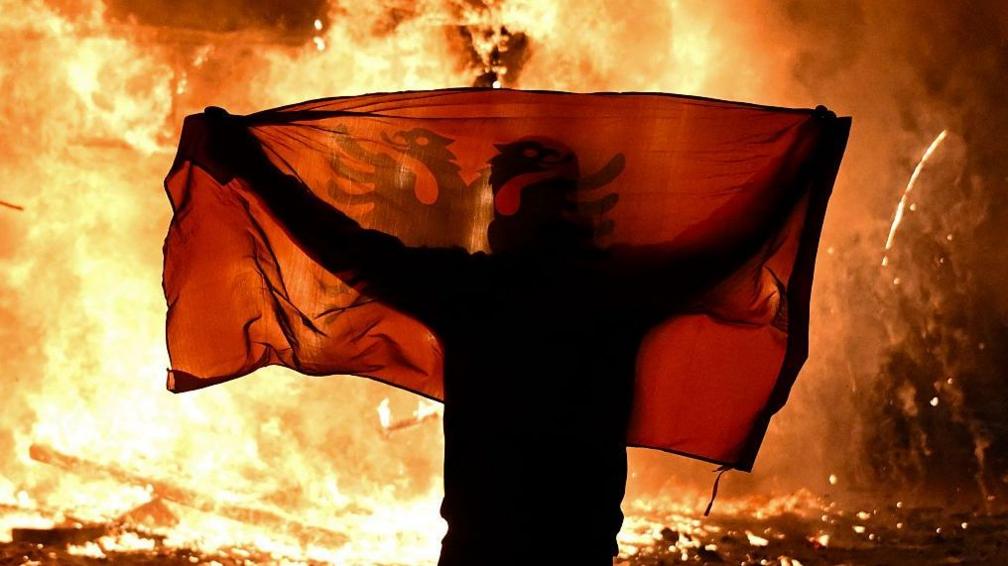
At night, masked protesters hurled stones at police forces that deployed water cannon, tear gas and batons. The clash left a young protester with a broken leg, and government buildings—including an education ministry floor—lit on fire, while private businesses around the sites also suffered damage.
Prime Minister Edi Rama, who is in his fourth term, travelled to several damaged sites and blamed opposition leader Sali Berisha for instigating chaos. He warned that “foreign hands” were undermining Albania’s path to European unity.
Despite claims of political motivations, Berlin-based observers have highlighted a growing sense of frustration among Albanians. While the Flamingo protesters maintain that they are independent of any political party, the new wave of violence has drawn the attention of European leaders and the public eye.
The UK government advises visitors to avoid demonstrations, large gatherings or political rallies and to stay informed through local authorities. Albania’s previously thriving tourism industry now faces backlash due to the violence, threatening its economic prospects and European accession ambitions.