In brief
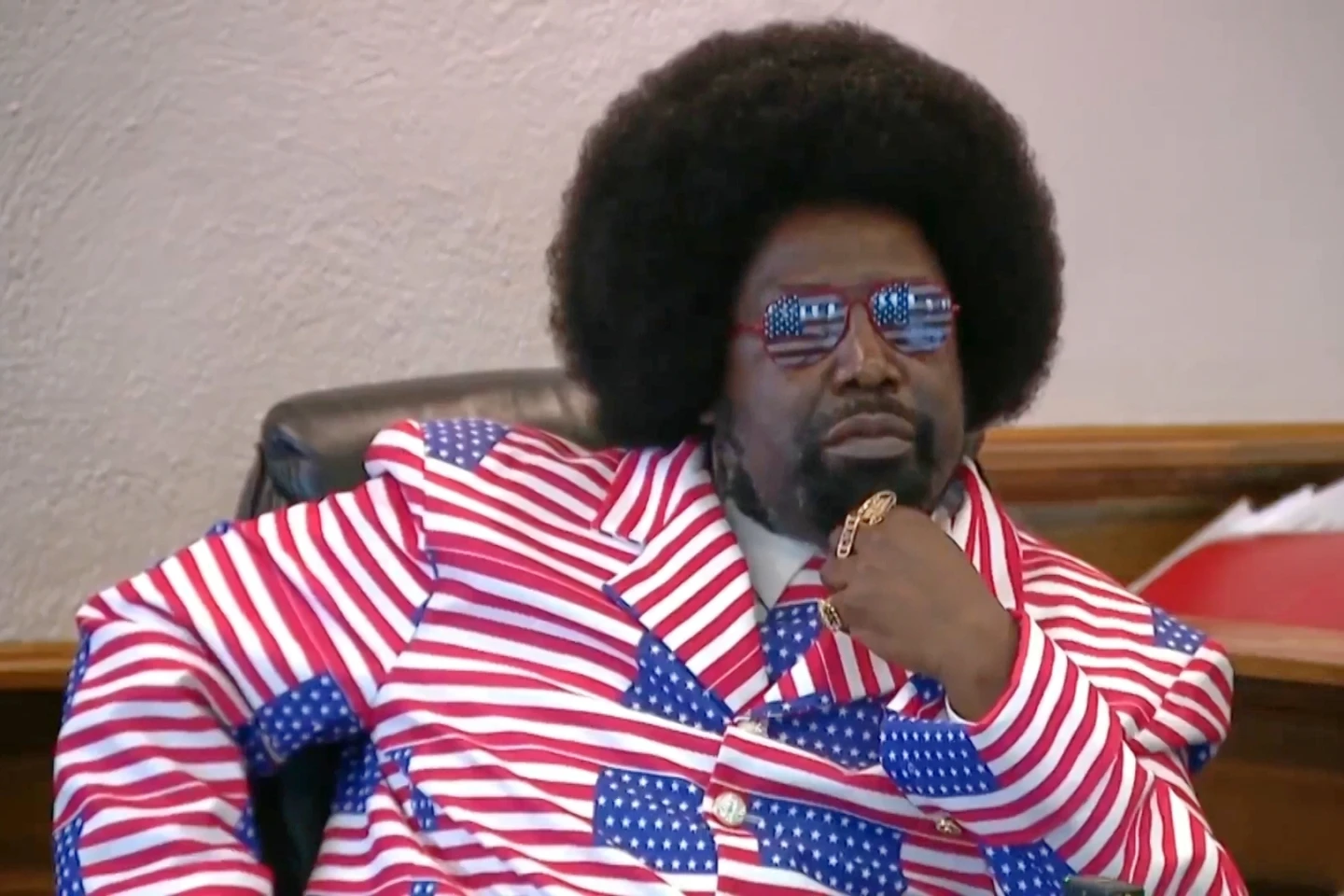
Rapper Afroman, known for his hit 'Because I Got High', emerged victorious in a defamation lawsuit initiated by seven Ohio sheriff’s deputies. The deputies claimed defamation due to Afroman's viral music videos which humorously depicted their raid on his home. Afroman celebrated the verdict as a win for freedom of speech, defending his artistic expression and social commentary based on the incident, while the deputies sought nearly $4 million in damages.
Afroman, born Joseph Foreman, expressed his joy outside a courthouse after a jury ruled in his favor in a defamation lawsuit filed by seven Ohio sheriff’s deputies. The suit stemmed from music videos where Afroman utilized home security footage to create comedic commentary about a raid on his property. During the trial, the rapper asserted his right to free speech, claiming the deputies' actions had traumatized his children and disrupted his life. The videos, particularly one titled 'Lemon Pound Cake', parodied the deputies' conduct and received over 3 million views on YouTube.The deputies alleged that the rapper's work ridiculed them and sought $4 million in damages. In his defense, lawyer David Osborne stated that public officials should expect to face scrutiny and satire. Afroman's own testimony pointed to the emotional toll the raid took on his family and critiqued the behavior of the deputies, noting that no criminal charges were filed against him as a result of the raid.The trial featured discussions around the boundaries of parody and artistic expression, highlighting the complexities involved in public discourse, freedom of speech rights, and the accountability of law enforcement actions. Ultimately, the jury sided with Afroman, reinforcing the idea that creative expression, even when critical, is a protected form of speech.