In brief
In a rare event, anti-ICE protesters disrupted a Southern Baptist church service in St. Paul, Minnesota, prompting civil disobedience discussions among legal experts and reactions from religious leaders. Two attendees were arrested following the confrontation, which has spurred debate on the legality and ethics of such protests within houses of worship.
American religious history is characterized by a number of protest movements, but political demonstrations within houses of worship are notably unusual. Recently, this was exemplified when anti-ICE protesters interrupted a service at Cities Church in St. Paul, Minnesota, where a pastor is affiliated with the U.S. Immigration and Customs Enforcement.
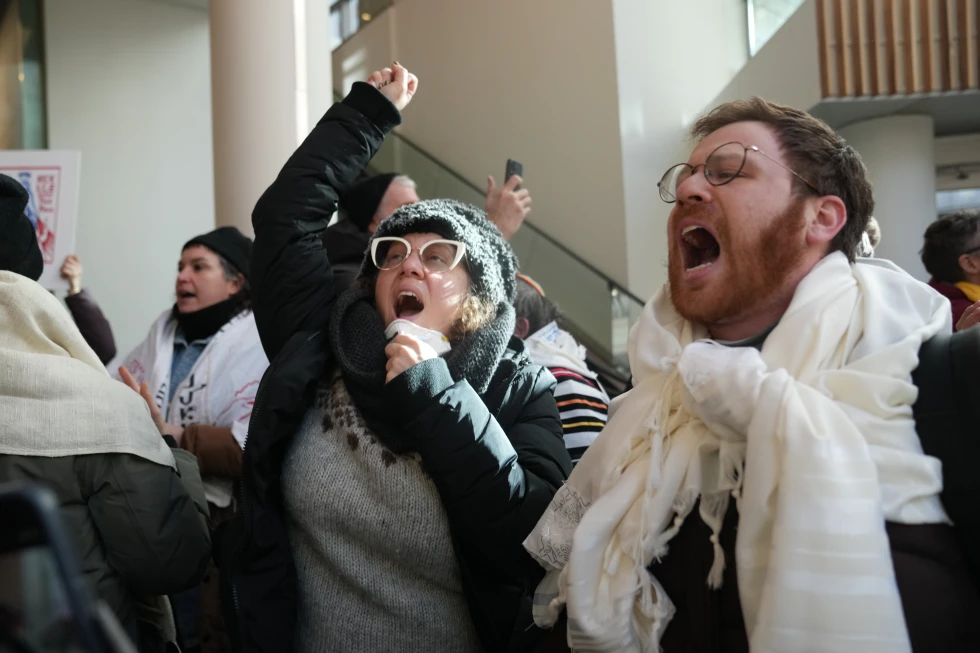
During a service, approximately three dozen protesters marched in shouting slogans such as 'ICE out,' which led to three of them being arrested on federal charges. Charles C. Haynes, a senior fellow at the Freedom Forum, emphasized that such interruptions, inevitably civil disobedience, aim to highlight urgent political issues, reflecting the historical context of civil rights activism that has often utilized extreme measures for recognition.
Nekima Levy Armstrong, a civil rights attorney and self-identified Christian, declared the protest a necessity, stating, 'It’s time for judgment to begin and it will begin in the House of God!!!'
While civil rights advocacy can justify civil disobedience, it raises critical questions regarding the interruption of freedom of worship. Haynes added that when a protest infringes upon the religious freedom of others, the need for civil rights protections becomes critical.
More commonly, protests occur outside places of worship, such as recent demonstrations against Israel outside synagogues in New York City. Experts like Vikram Amar have noted that the legal and social implications of such protests are complex, often balancing activists' rights with the sanctity of worship spaces.
Historically significant disruptions include those by radical Quakers and civil rights activists, showing a tradition of challenging perceived injustices even within established religious institutions. Yet, the current wave of protests—both inside and outside religious venues—raises concerns among clergy about the long-term implications on the sanctity and safety of such spaces.