In brief
In light of sexual abuse allegations against Cesar Chavez, California lawmakers propose renaming Cesar Chavez Day to Farmworkers Day. Activists and citizens express mixed feelings about how to honor his contributions to the labor movement amid growing concern for the victims of alleged abuse. Leaders emphasize the need to focus on the collective efforts of farmworkers rather than the individual legacy of Chavez.
Farm work is personal for many in California, where nearly three-quarters of America's fruits and nuts are cultivated. This sentiment surged when allegations of sexual abuse against farmworker union activist Cesar Chavez surfaced in March, rekindling discussions about his legacy.
State senator Suzette Martinez Valladares articulated the deep personal impact during a recent meeting, suggesting the removal of Chavez's name from public spaces and proposing to rename Cesar Chavez Day to Farmworkers Day. The legacy of farmworkers belongs to families like mine across California—not to any one individual, Valladares explained, reflecting on her family's history in farm labor.
Chavez, a pivotal figure in the 1960s labor movement, is credited with spearheading significant strikes to improve workers' conditions, coining the impactful phrase, si, se puede—a rallying cry adopted by social justice movements, including Barack Obama's presidential campaigns. His legacy had been celebrated and formalized, including being awarded the Presidential Medal of Freedom and having March 31 designated as Cesar Chavez Day.
However, this perception shifted dramatically after Dolores Huerta, his former collaborator and civil rights leader, publicly accused him of rape in a New York Times article, revealing dark accusations of sexual assault from several women, including underage victims from the 1970s.
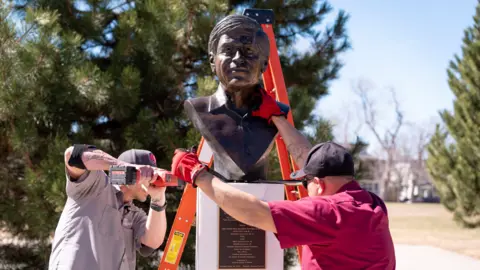
In light of these revelations, California lawmakers unanimously voted to change the holiday to 'Farmworkers Day', omitting Chavez's name. Discussions on removing statues and renaming structures bearing his name have gained momentum across the U.S.
Despite the turmoil, some advocates emphasize the importance of continuing to honor the broader farmworker movement. Los Angeles Mayor Karen Bass expressed her devastation over the allegations but acknowledged Chavez's role in inspiring her lifelong fight for justice. In some neighborhoods, like Watts, artists have begun transforming murals originally honoring Chavez into tributes for Huerta, reflecting a shift in community sentiment.
Artists like JD Zender Estrada believe that while Chavez's image may evolve, removing him entirely misses the significance of his contributions—the murals can be updated to reflect a more inclusive history. This ongoing dialogue about the intersection of historical legacies, personal accountability, and collective memory highlights the complex nature of honoring those who have deeply influenced social movements.