In brief
When floodwaters surged through Charing village in Assam on 19 July, 97‑year‑old Lokada Duarah was carried to safety by her family on a makeshift banana raft. The flood spared no life, leaving 100 dead and 140,000 residents displaced. Residents face rising river levels and new flood patterns, forcing communities to adapt or relocate. The story underscores the personal cost of climate change and the urgent need for basin‑scale flood management.
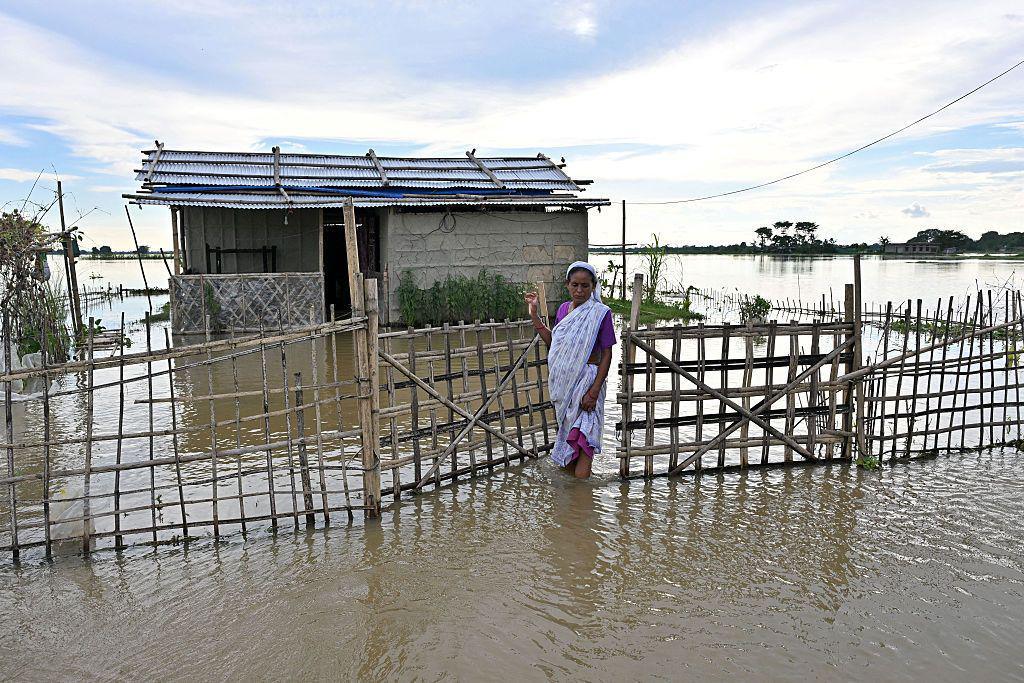
Well past midnight on 19 July the floodwaters surged through Charing village in Assam, threatening almost every home and livelihood on the river front.
Lokada Duarah, 97, could not walk and was barely conscious. Her family, Barela and her husband, had no boat, no rescue team, and no neighbor to fall back on.
They improvised a raft from banana trunks, lifted Duarah, and hauled her through the gushing water toward a government shelter on the national highway.
The three‑hour journey left their home buried under up to five feet of rising water, a stark reminder of the flood’s intensity.
The Sivasagar district, above the Brahmaputra basin, was hit hard, with 456 villages affected and 30,000 houses damaged. Hundreds of relief camps now house displaced families.
Baruah, 40, turned her long‑time journalism career into animal husbandry, cultivating 300 goats and 500 ducks before the flood annihilated much of her livestock and infrastructure.
No insurance covered her losses. Her family spent ten days without electricity or connectivity in a relief camp, relying on strangers’ help and government relief kits.
Experts say the rising floods result from altered river dynamics, increased sediment, and expanded human settlement on floodplains. Basin‑scale coordination is urgently needed.
Despite the devastation, Baruah refuses to leave Charing, instead planning future flood‑borne safety by raising her house’s foundation and stocking essential supplies for any future event.
She believes a single community can adapt, but the broader region must manage the rivers in a coordinated way to reduce future loss of life and livelihood.