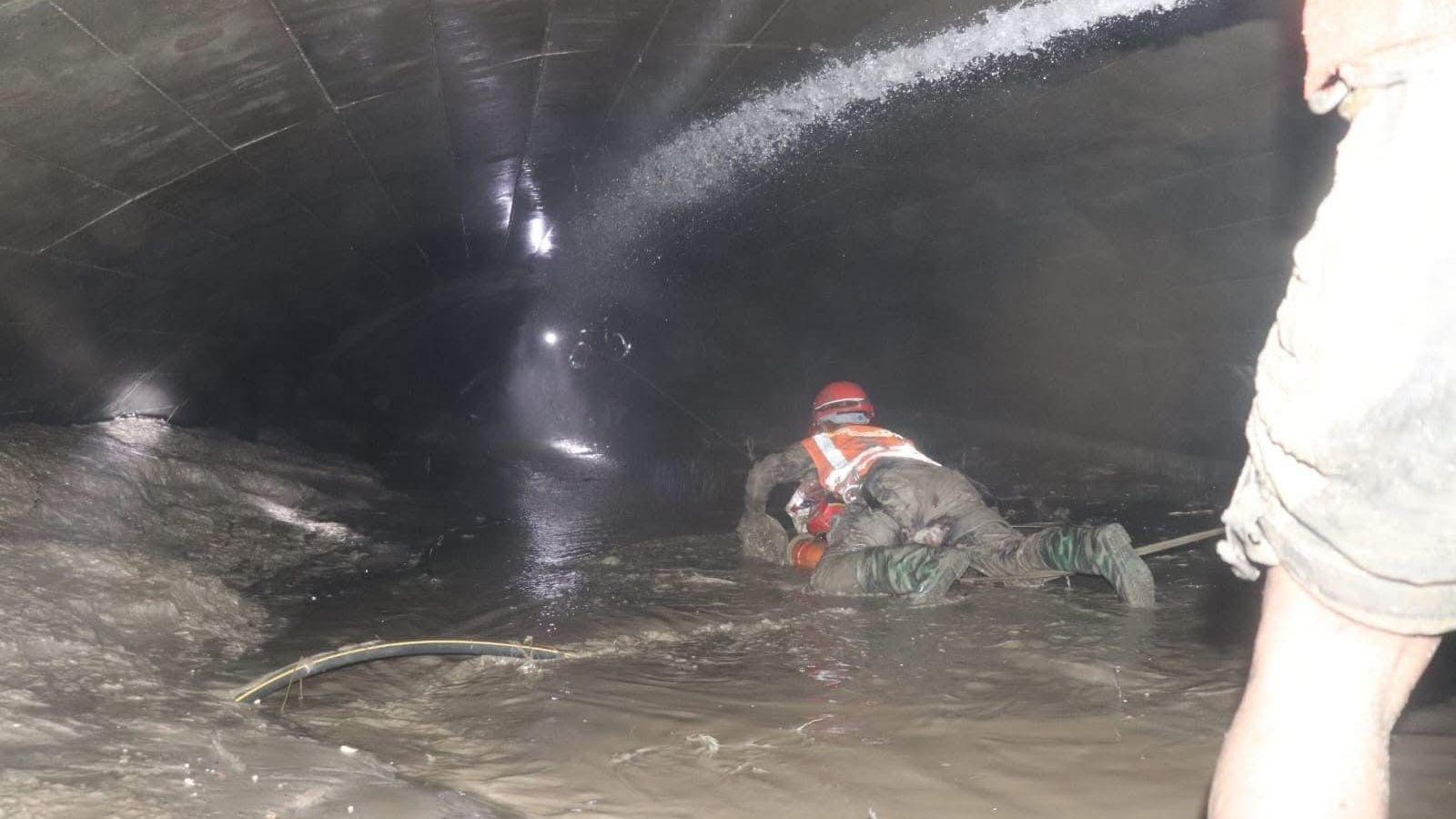
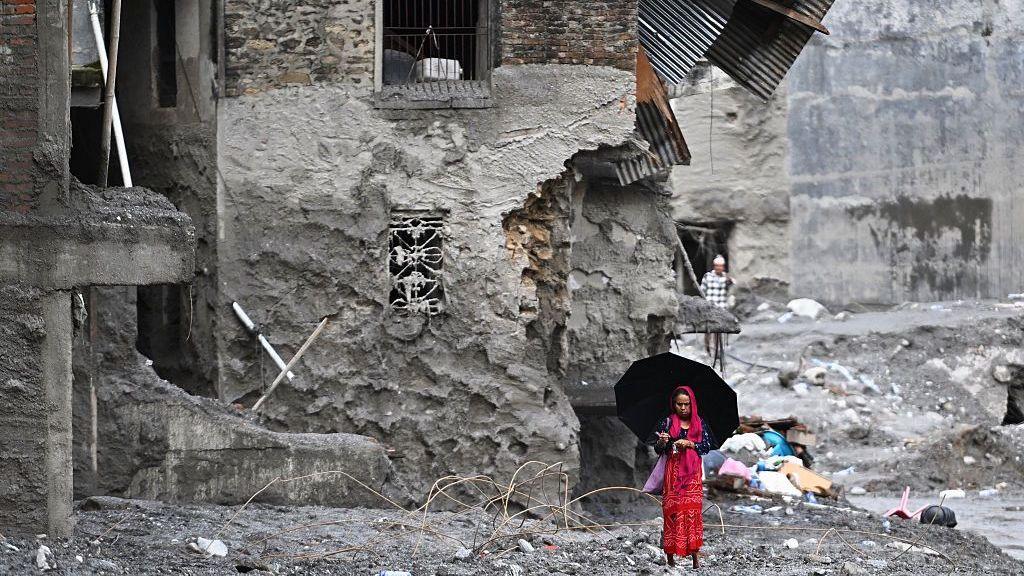
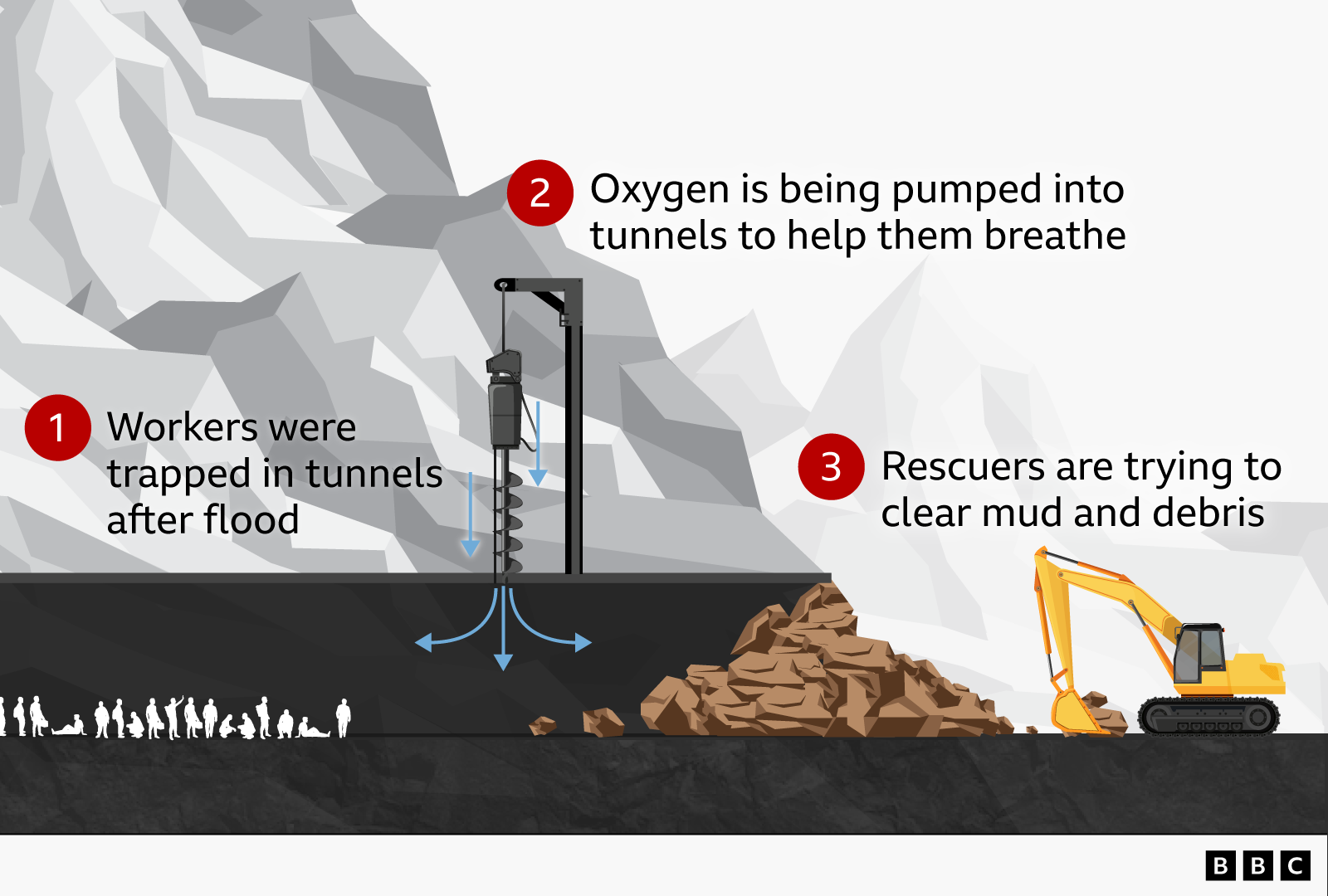
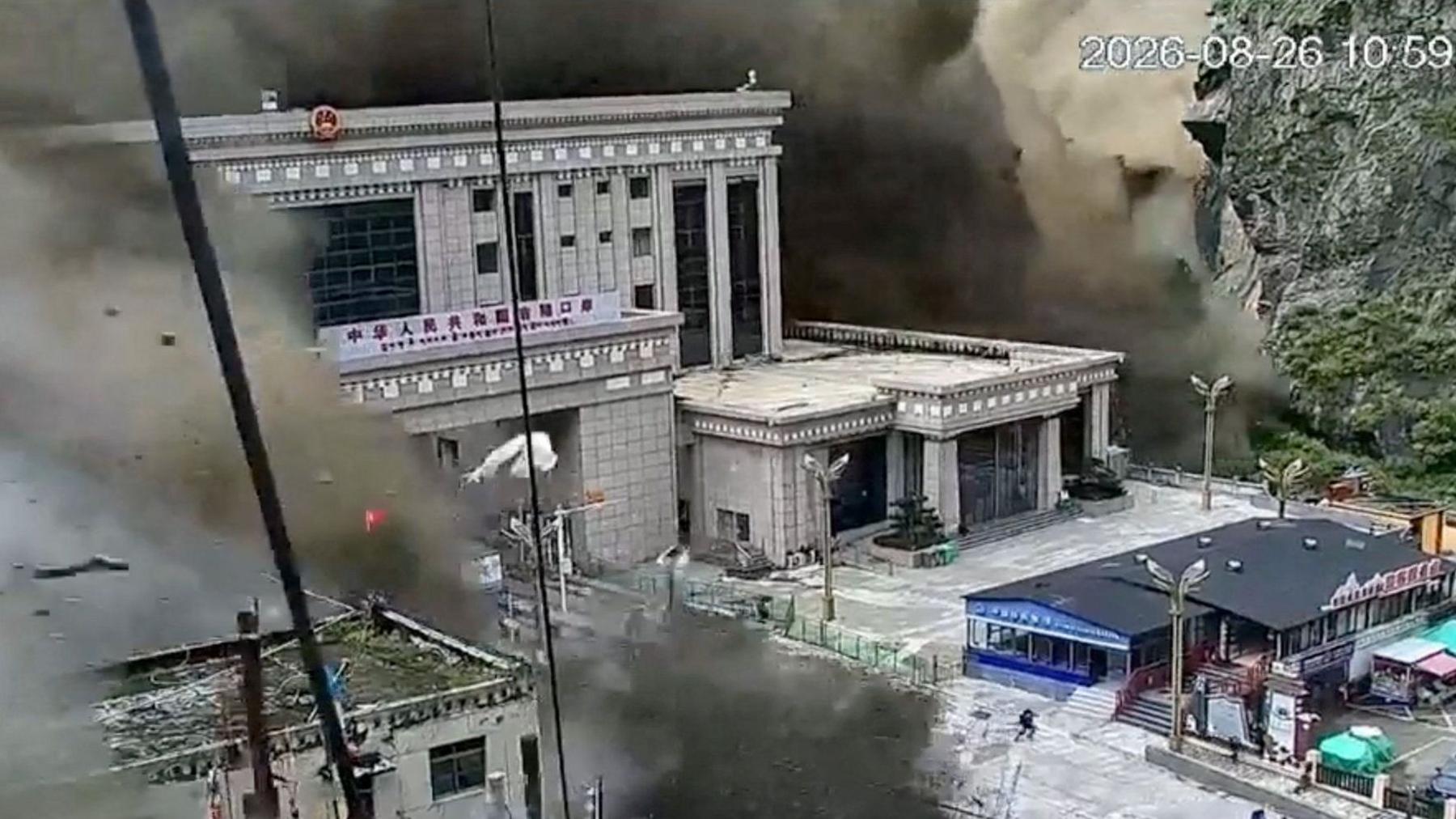
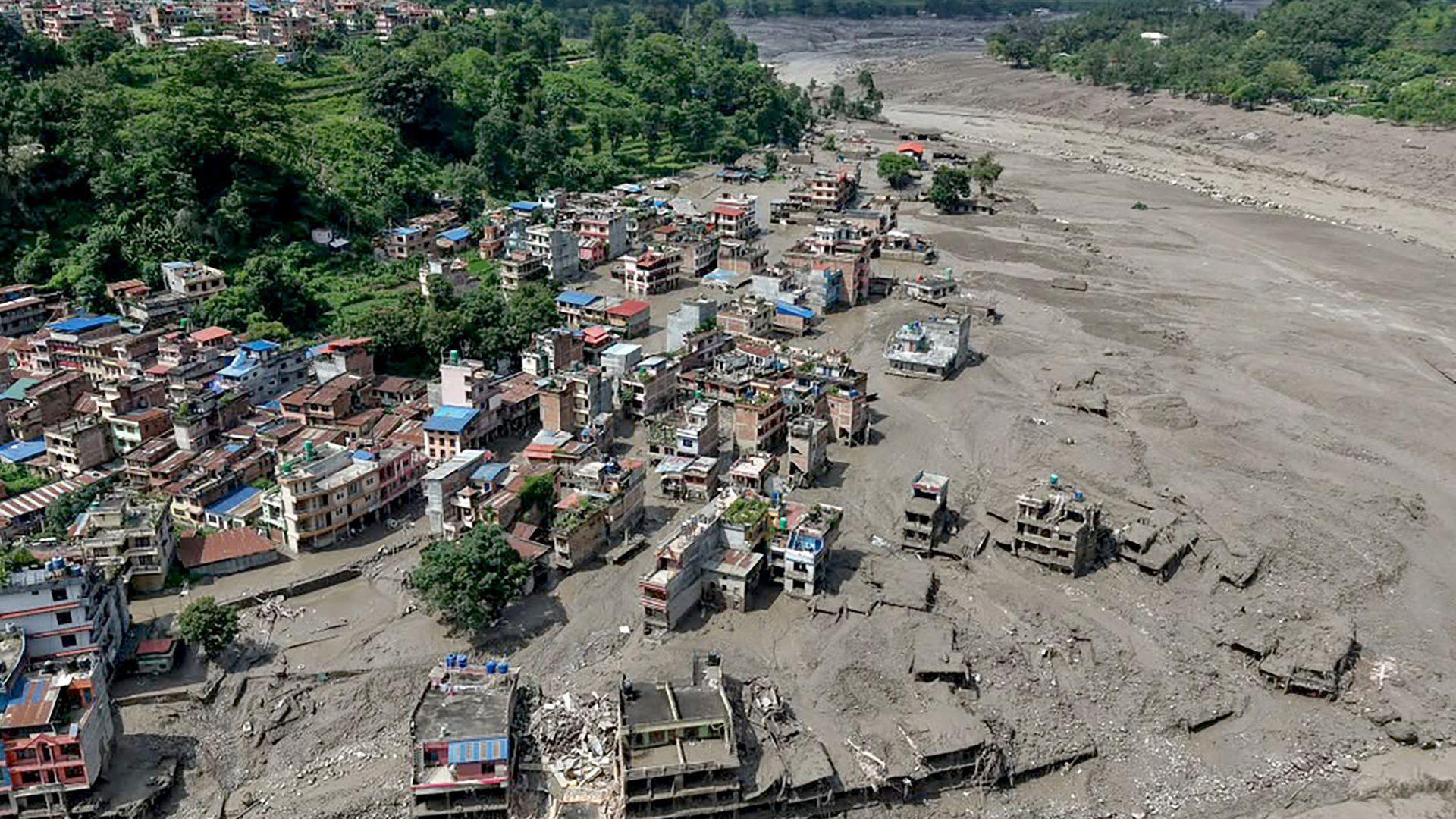
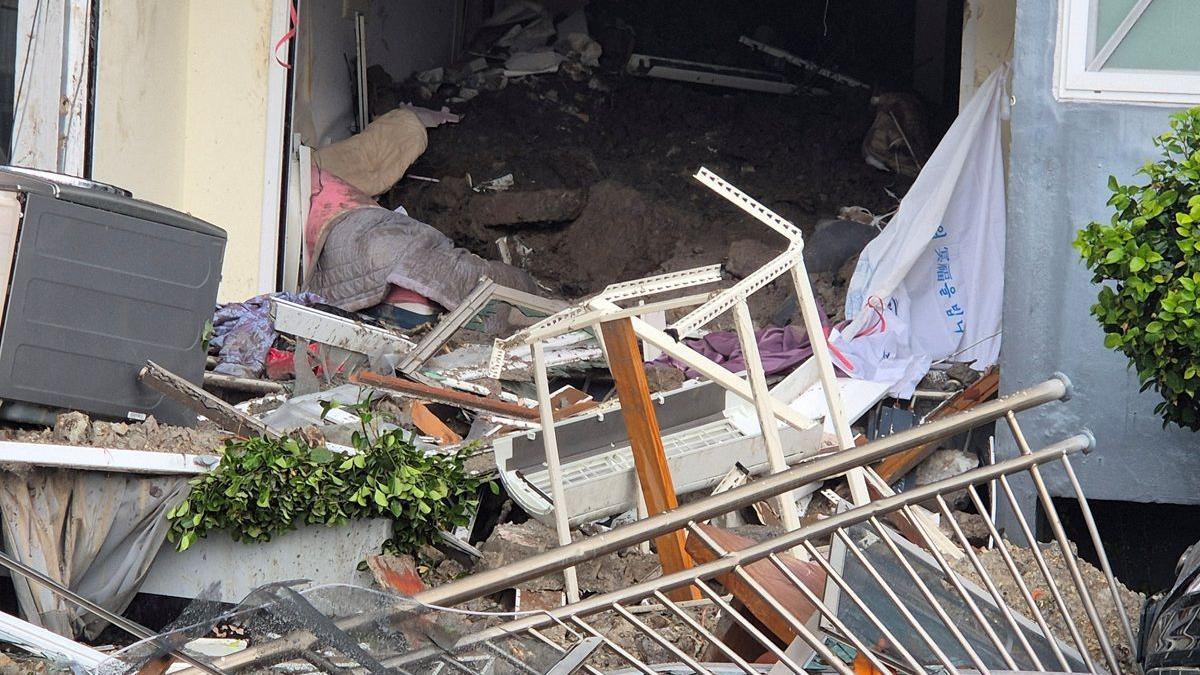
When a massive wall of ice, rock and mud slid through a Himalayan valley in Nepal, it buried dozens of homes, left dozens of families trapped underground, and claimed hundreds of lives. More than ten days after the initial disaster, rescue crews continue to comb through the rubble for survivors.
On 5 September, Nepal's Armed Police Force reached a mud‑buried dwelling in the Nuwakot district. Within the house’s fourth floor, they discovered Chandika Shrestha, a 64‑year‑old woman, alive but severely dehydrated and jaded by the weight of fallen debris. The rescue team lifted her to an air‑ambulance, careful to stabilize her as they moved her to a secured stretcher.
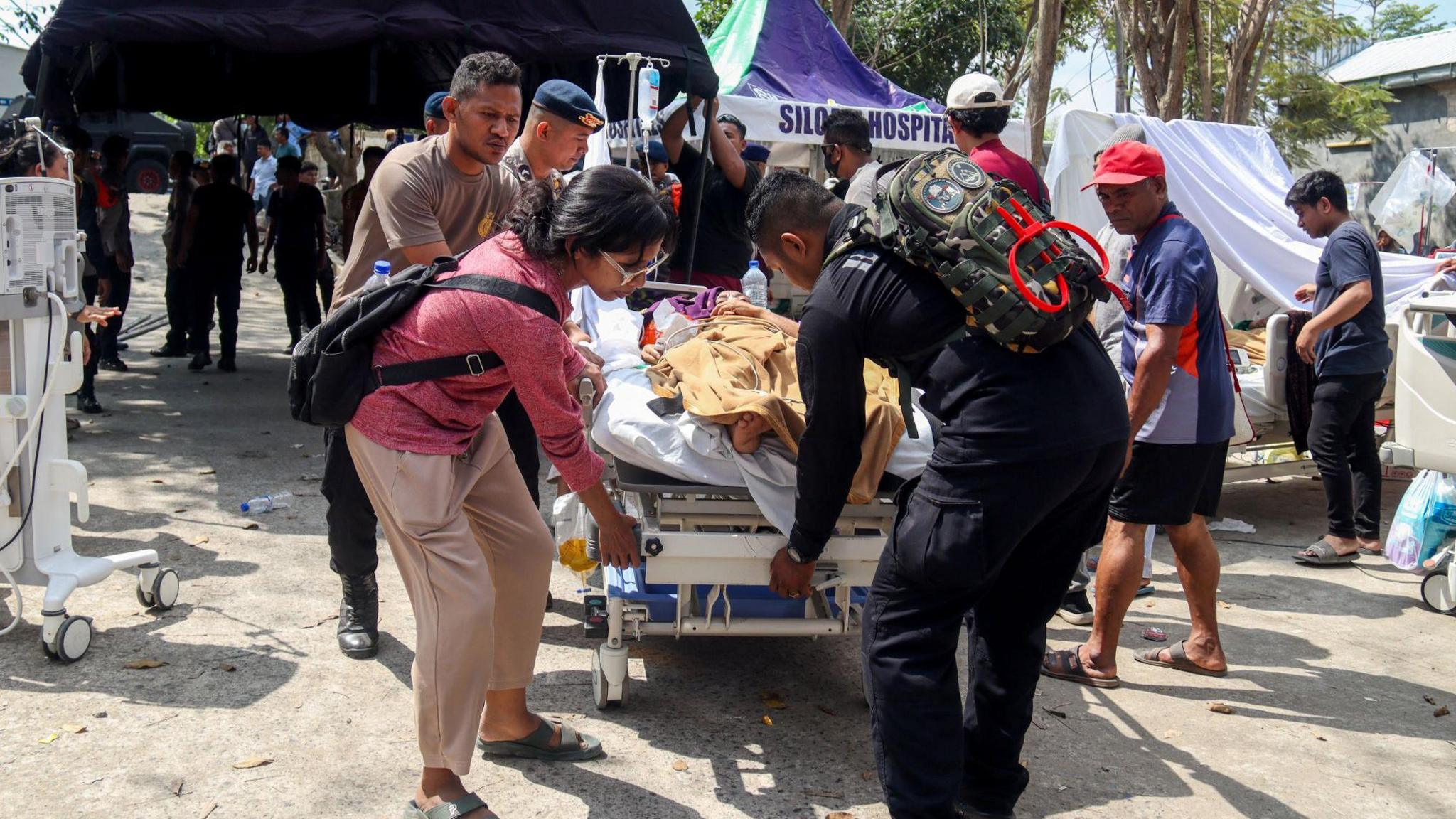
 Chandika was air‑lifted to a Kathmandu hospital where medical staff began treatment for shock, dehydration and the physical strain of extensive mud exposure. According to Reuters, the woman is now in stable condition, but her journey to full recovery remains uncertain.
Rescuers have reported that the number of people still trapped in homes continues to rise as more lives slip beneath the shifting earth. Many survivors have survived in elevated spaces or makeshift shelters, using sheer willpower to endure the cold and weight of collapsed walls.
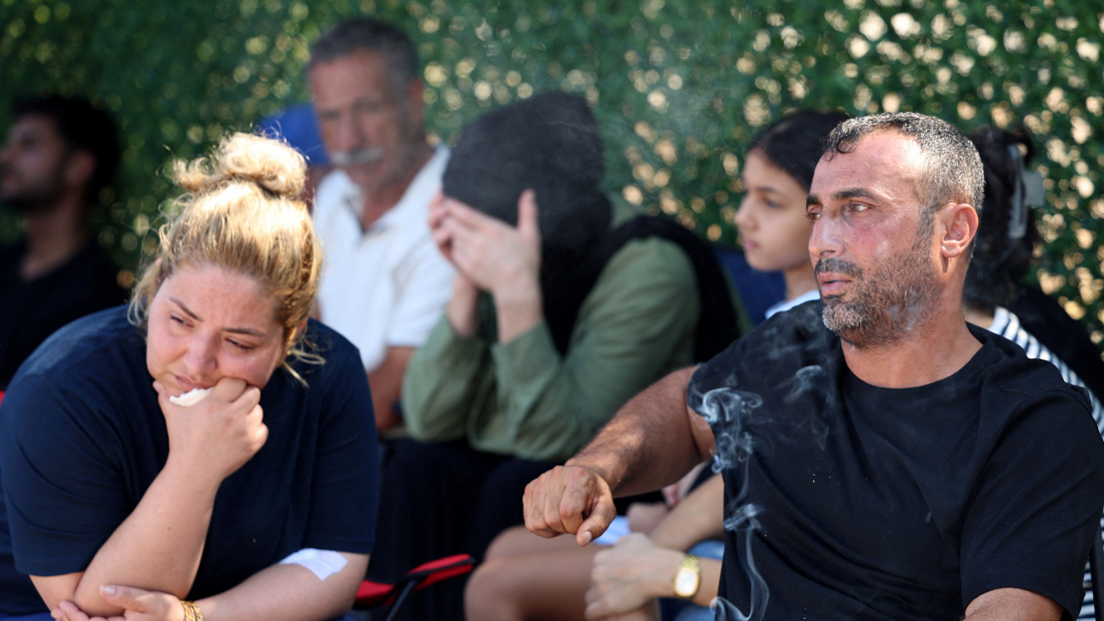
The Nuwakot incident has prompted increased international support for Nepal, including disaster‑relief funds, search‑and‑rescue training, and long‑term reconstruction strategies. In the coming weeks, local and foreign aid agencies plan to provide medical care, psychological support, and rebuilding resources to help families affected by the mud avalanche.