In brief
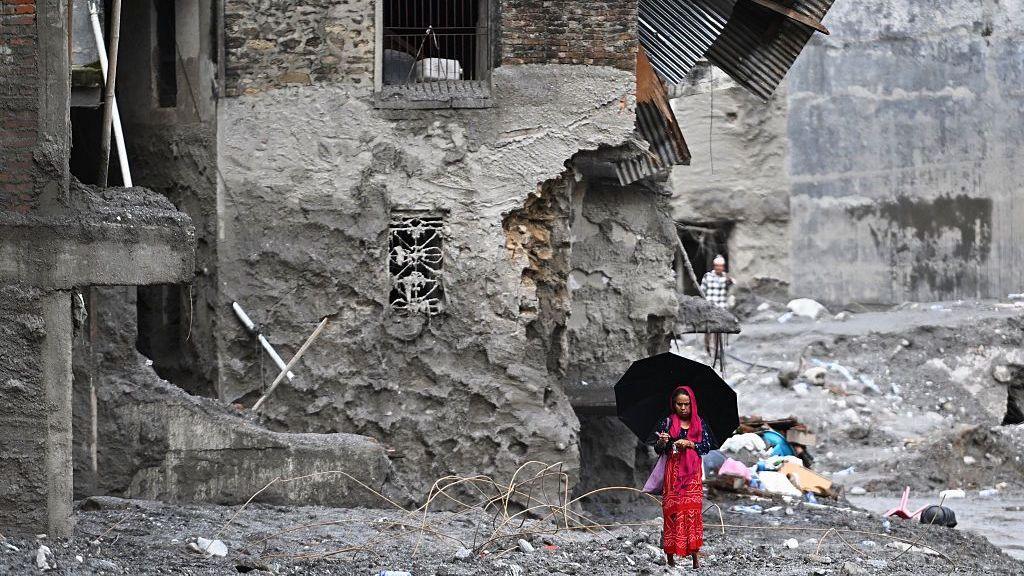
A catastrophic flash flood triggered by a glacial collapse struck the Nepal‑Tibet border last Wednesday, killing more than 1,100 people in Nepal and leaving nearly 4,000 still missing. Rescue crews are now working around the clock to locate survivors and clear debris, with the UN declaring the operation has entered a new phase of recovery. While Nepal reports thousands of displaced homes and urgent humanitarian needs, Chinese state media indicates that 16 deaths have been recorded on the Tibetan side, but remains sparse on details due to restricted coverage. Efforts to reopen roads, rebuild bridges, and provide medical and psychological support are underway amid rising fears that the death toll may climb higher. The UN and the Nepalese government have launched a four‑month humanitarian flash appeal to support affected communities.
A deadly flash flood that hit the Nepal‑Tibet border last week, allegedly sparked by a glacier collapse, has left more than 1,100 people dead in Nepal and nearly 4,000 still missing, according to national disaster‑management reports.
While officials in Tibet report 16 fatalities and over 500 missing, detailed information remains scarce because of strict media controls. Chinese state media notes that a week of intensive rescue work has reopened the Gyirong border crossing, but the main hurdle remains the destruction of dozens of bridges and debris‑blocked roads that impede relief efforts.
UN humanitarian agencies have shifted from search to coordinated recovery, putting heavy machinery and drones behind overnight efforts to locate survivors and secure resources for displaced communities. The UN stresses that the primary challenge now is access, with more than 40 damaged bridges still preventing efficient movement of aid.
In the villages of Nuwakot and Rasuwa, roughly 3,500 families have been uprooted, with many staying in overcrowded shelters that risk disease spread and damage to water supplies. The Nepalese government has pledged to supply medical care, psychological support and food to affected residents, and to launch a four‑month humanitarian appeal to meet urgent needs.
Rescue crews, including Nepalese armed police and international experts, continue to pour heavy machinery into tunnels and build makeshift bridges, hoping to reach isolated pockets of survivors before the monsoon season peaks. The UN cautions that further casualties may occur should the flood’s impact be underestimated, keeping the data fluid and the tragedy unfolding.