In brief
With an extensive transport plan in place, Los Angeles is integrating bike lanes to encourage cycling among residents, especially in anticipation of the World Cup and the 2028 Olympics. While advocacy groups push for enhancements in infrastructure, some locals resist these changes, fearing increased traffic congestion. As the city contemplates its future, the push for a more bike-centric culture could redefine transportation in this sprawling metropolis.
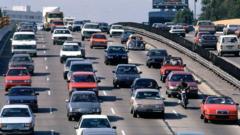
Los Angeles has long been a symbol of car culture, characterized by its expansive roadways and heavy traffic. Yet with the 2026 World Cup and the 2028 Olympics on the horizon, city officials are seeking to reshape this identity with the introduction of new bike lanes. The "Twenty-eight by '28" transport plan, initiated in 2017, aims to increase mass transit options, including biking facilities, by connecting various destinations across the city.Damian Kevitt, executive director of Streets Are For Everyone, believes that Los Angeles’ climate makes it an ideal place for cycling, despite only a small percentage of the population currently commuting this way. As the city ramps up its cycling infrastructure, advocates are optimistic that safety improvements will encourage more residents to leave their cars behind.However, not all Angelenos are onboard with the changes. Voter measures passed in 2024 to boost bike lanes and walkable areas have faced pushback from some residents, like Darin Drabing, who argue that these initiatives exacerbate traffic congestion. Past implementations of bike lanes in cities like Toronto and Glendale show a mixed bag of outcomes, as some mandates face opposition even as others thrive.Despite these challenges, cyclists like Mimi Holt praise the expanding options, expressing a desire for connected lanes that would make cycling a practical alternative. Similarly, Mayor Karen Bass is pushing for the city to embrace a "transit first" approach for the upcoming Olympics, although progress on the proposed 100 miles of new bike lanes is slow.As city officials seek federal funding to augment transportation projects, many question whether a significant cultural shift away from car dominance is feasible in the near future. While the dream of a car-free games is appealing, critics point out the realities of LA's sprawling geography and ingrained vehicle dependence. The city stands at a critical juncture, as the outcome of this transportation initiative may define its long-term infrastructure and community health well beyond the Olympic festivities.