In brief
A local team, led by marine ecologist Karen Edyvane, utilizes drones and social media to monitor their behaviors, revealing new insights and boosting eco-tourism in the region.
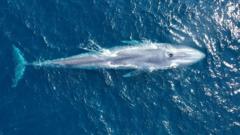
In Timor-Leste, fisherman Faustino Mauloko da Cunha and his son Zacarias spend a significant portion of the year in their dugout canoe, observing the South Pacific's vast waters for pygmy blue whales. Upon spotting these majestic creatures, a collaborative operation kicks into gear. Their local team swiftly deploys a drone, guided by Australian marine ecologist Karen Edyvane, to capture aerial images which are later meticulously analyzed. The initiative in this coastal village, named Subaun, is transforming our understanding of pygmy blue whales, which are known for their elusive nature and vast migrations. Over the past decade, this grassroots effort has identified nearly 3,000 of these whales, an accomplishment that Edyvane describes as “truly extraordinary.” During their migration season, hundreds of pygmy blue whales traverse the waters, journeying from southern Australia through Timor-Leste into the Banda Sea—a region still relatively unexplored scientifically.For ten years, Edyvane has spearheaded a monitoring program since its establishment in 2014, working closely with local fishermen, students, and dive tour operators. The group has made significant revelations, including intimate reproductive behaviors of blue whales, captured in footage of a mother nursing her calf—an unprecedented insight into the species.The research project began as a Facebook group engaging local volunteers to document these creatures’ lives. Edyvane provided training on research methodologies and drone operation, leading to real-time updates shared via social media. In 2016, they initiated Timor-Leste's first whale-watching tour, reflecting their commitment to conservation and education.Recently, a makeshift research station has been established outside the da Cunha family home, facilitating 24/7 monitoring. “We're able to get the most incredible footage,” Edyvane stated, emphasizing the impact of local knowledge and modern technology in advancing marine research. Wildlife scientist Vanessa Pirotta notes that citizen researchers become invaluable collaborators, offering insights that scientists can’t always capture from their desks.As research expands, the local tourism industry is flourishing, with whale-watching tours booked years in advance. However, local organizations have cautioned against unregulated whale tourism, urging the government to use the research findings to ensure the protection of marine life.Edyvane envisions responsible wildlife tourism as an opportunity for economic growth in this impoverished nation, where many earn less than $1,000 annually. The da Cunha family has started offering meals for tourists, helping create additional income streams while educating visitors about marine conservation. Zacarias has taken on drone service responsibilities and anticipates sharing his knowledge about whales with tourists in the future. “We remind tourists not to swim with the whales, but to observe from a distance,” he mentioned, showcasing the community’s dedication to preserving their natural resources.