In brief
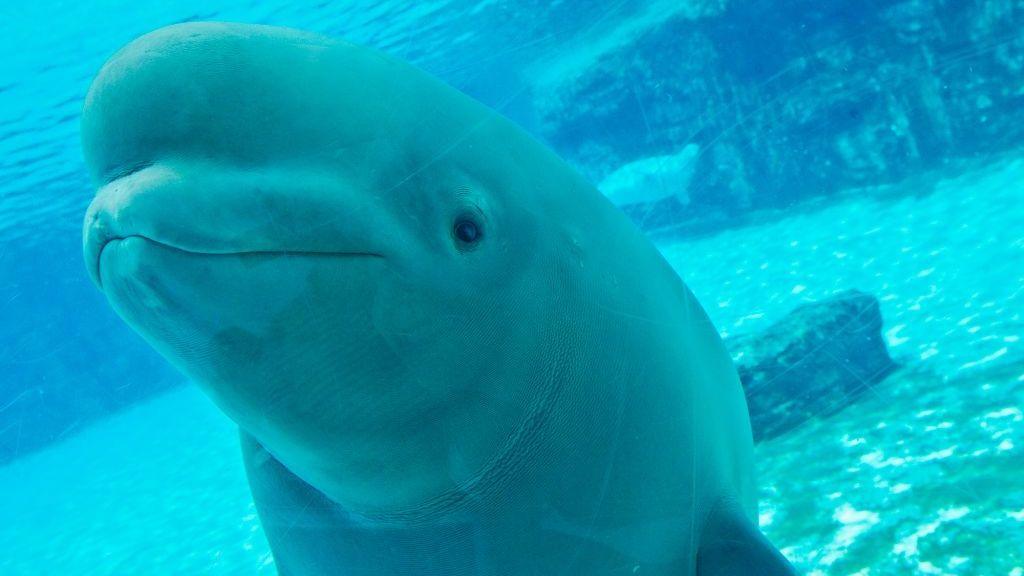
The closure of Canada’s Marineland saw 30 beluga whales and four dolphins moved to U.S. aquariums, sparking a rescue story that turns grim as several animals die. Health investigations reveal chronic disease and foreign objects in their stomachs. While remaining whales show signs of recovery, experts question the ethics of long‑term captivity and warn that replacements and sanctuaries may be the only viable future.
Rescue that turned into a crisis
The famed Marineland theme park in Niagara Falls closed in 2024 after mounting animal‑welfare concerns. Thirty beluga whales and a few dolphins were picked up by a coalition of U.S. aquariums, the largest transport of captive whales in history.
Yet, transport has not been a cure. Five belugas have died within weeks of arrival, and a dolphin has also died. Necropsies found chronic inflammation, foreign objects – feathers, rocks and paint – and liver disease in the deceased animals.
Only a handful of the rescued animals show strong recovery signs, such as improved appetite and active play. The Georgia Aquarium’s new arrivals Balor and Zephyr have been “bright and alert” and quickly socialised with other belugas.
Experts argue that the whales’ voyage and new environments pushed several animals beyond their limits. World Animal Protection Canada stresses that there are few options for whales bred in captivity who cannot survive in the wild.
Beyond rescue – the promise of a sanctuary
Lori Marino, lead of the Whale Sanctuary Project, says an offshore sanctuary could give captive whales an end‑of‑life that mimics the ocean. Funding still missing, the project needs $4.2 million to start building a sea‑pen off Nova Scotia.
Critics point out that U.S. and other countries where the whales are relocated may still breed new captivity stocks. The debate continues on whether rescue is enough to stop the practice of holding large cetaceans in tanks.
What the public can do
Activists such as former Marineland trainer Phil Demers suggest that people watch whales in natural settings or support ways to keep captive animals under better standards. The story underscores the need for global policy changes that truly eliminate distress for these intelligent mammals.