In brief
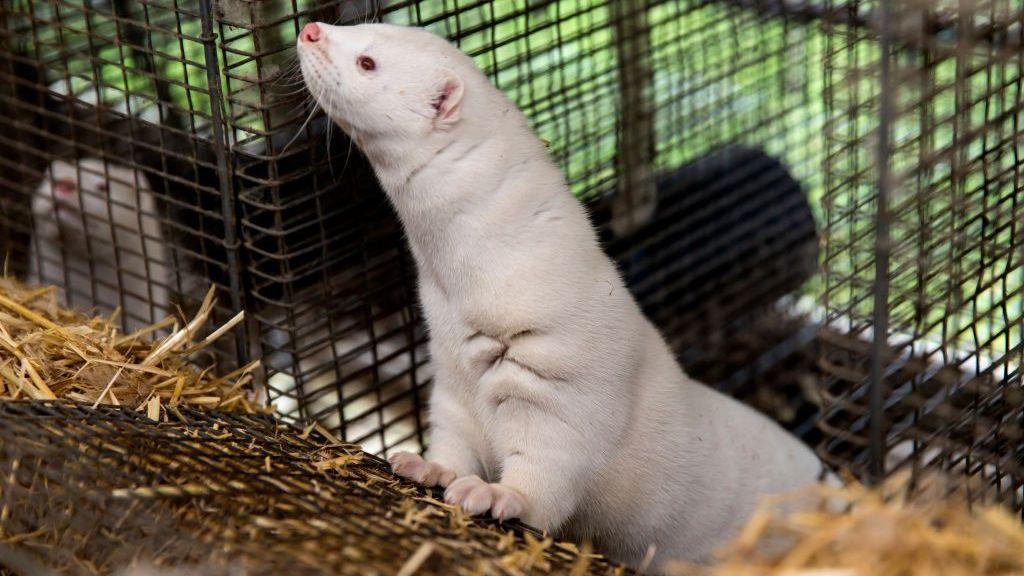
Denmark announced that it will abolish all mink farming by August 2029, rejecting an earlier bid for an exemption to the EU's ban on the practice. The decision follows a history of declining mink fur demand, the 2020 mass cull during the pandemic, and growing concerns over animal welfare. While the industry once accounted for a third of global production, it now lags behind competitors like Poland and China. The government foresees costs around 14 million Danish krone for closing facilities, but the final figure may be higher. Fashion's contentious relationship with fur remains a backdrop to Denmark’s policy shift.
Denmark will end all mink farming by August 2029, revoking plans to seek an exemption to the EU’s mammal protection law.
Historically the country was a global leader in mink fur, but industry revenue fell sharply after international bans and a COVID‑variant scare forced the mass cull of 15 million animals in 2020.
The new law will take effect on 7 August 2024, followed by a two‑year transition period for the remaining farms to shut down.
Nature Minister Christian Rabjerg Madsen explained the decision was driven mainly by animal welfare, arguing that a business should not continue simply because it has a long tradition.
Social Democrat MP Brigitte Vind called it "a good day for animal welfare," praising the move to forgo a special scheme for mink breeding.
The Danish Mink Association has been asked for comment. The sector, while once thriving, now trails behind nations such as Poland and China.
About 15 million animals were culled in March 2020 after a mutated strain of COVID‑19 was detected in Danish mink farms, a decision the government later admitted had no legal basis.
Only around 15,000 mink remain in Denmark today, with seven farms still operating. The estimated cost to close these farms is roughly 14 million Danish krone (about £1.56 million), though the final amount could be higher.
Fur has been a polarising topic in fashion; while many designers stepped away from real fur a few years ago, the trend saw a quirky revival last year with celebrities and fashion houses alternating between genuine and faux fur.