In brief
In a striking move, the US has exercised its veto authority for the fourth time during the ongoing Israel-Palestine conflict. Despite overwhelming support from 14 of the 15 Security Council members who deemed the resolution crucial for halting the war in Gaza and securing the release of hostages, the US argued that it undermined the essential link between ceasefire and hostage negotiations. Deputy US Ambassador to the UN, Robert Wood, expressed concern that the document could convey a misguided message to Hamas, thereby perpetuating violence.
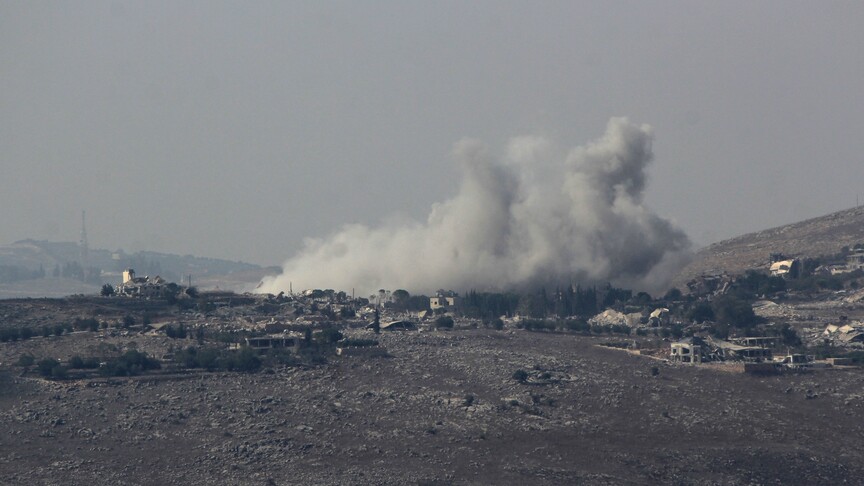
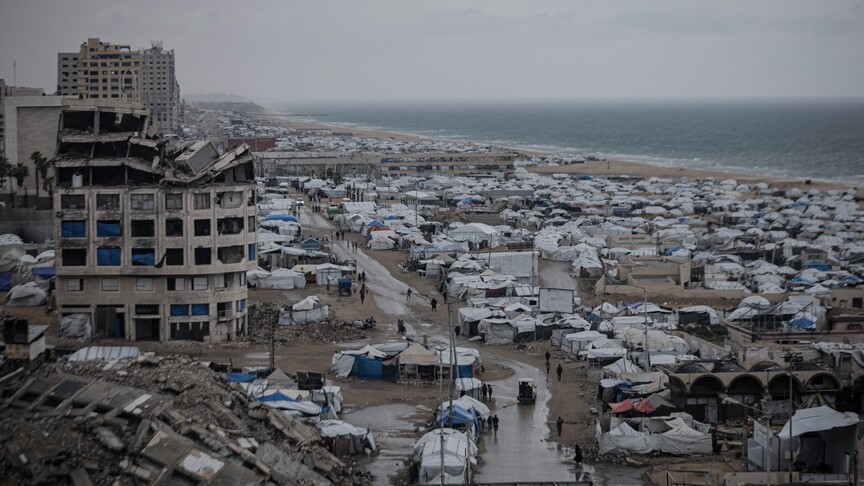
This resolution also emphasized the need to reject efforts to "starve Palestinians," amidst harrowing reports from the UN of dire humanitarian conditions in northern Gaza, where aid has been virtually non-existent for over a month. A recent assessment warned of the imminent risk of famine in the besieged region. The Israeli military claims its operations are aimed at neutralizing Hamas fighters while facilitating evacuations and medical supply deliveries. However, criticism followed the US's veto, with representatives from China and France delivering pointed remarks about the implications of the veto on Palestinian lives and humanitarian law. Outside the Council, Human Rights Watch condemned the veto as a means to provide "impunity for Israel," a sentiment that echoes through international discourse as over 43,920 Palestinians have reportedly died since the onset of the conflict, which began after Hamas launched an attack on Israeli communities, resulting in the deaths of around 1,200 Israelis and the abduction of 253 individuals. As discussions continue around this critical issue, the global community remains divided over the implications of the US's actions regarding the long-standing conflict in Gaza.