In brief
As tariffs loom large, nations are scrambling for clarity while grappling with the daunting implications for their economies.
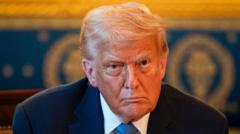
In an unprecedented turn of events, President Donald Trump has once again extended the deadline for tariff negotiations, sending shockwaves through Asia. Japanese Prime Minister Shigeru Ishiba characterized the situation as “deeply regrettable” after Trump threatened a hefty 25% tariff on Japanese goods. Japan, a long-standing ally of the United States, has been actively seeking concessions to shield its struggling automotive sector. However, it has also resisted demands to open its markets to American agricultural products, such as rice.Despite numerous negotiation trips from Japan’s trade minister to Washington DC—seven at last count—results have been underwhelming. Trump’s rhetoric towards Japan shifted from viewing them as “tough” to “spoiled,” as negotiations dragged on. Recently, Japan joined a growing list of 23 countries to receive tariff notices, 14 of which are in Asia. Nations from South Korea to Sri Lanka—export-heavy economies—now face an uncertain future.Adding to the pressure, Trump also announced a 35% tariff on goods imported from Canada and hinted at increasing blanket tariffs for most trade partners from 10% to 20%. “We’re just going to say all of the remaining countries are going to pay,” Trump stated in an interview with NBC News. Countries now find themselves racing to secure deals before the August 1 deadline, leaving many unsure of their standing, particularly Japan, which has long sought an agreement.On the upside, the extended deadline offers some countries a reprieve. Economists suggest that nations targeted by tariffs now have additional time to negotiate and refine their positions. Thailand and Malaysia, which received notifications this week, are keen on resolving issues, particularly amid strained US-China relations that see Washington targeting transhipped goods from these nations.However, the overarching reality remains grim: the tariffs signal a troubling trend for Asian manufacturers. As international trade faces upheaval, businesses across the globe, including those in the U.S., Europe, and China, stand to suffer. Firms reliant on exports will find profit margins squeezed, as will consumers impacted by escalating prices.Some countries, particularly Vietnam, have already experienced the repercussions of tariffs, finding themselves unable to push back against U.S. demands. With heavy reliance on exports, nations like Cambodia, facing a potential 35% tariff, could be further destabilized.The U.S.-Japan alliance seems precarious as well, given Japan's treatment in these trade talks. Although economically and militarily allied with the U.S., Japan finds itself facing tariffs similar to other Asian nations. This could diminish their strategic partnership, especially as Japan is prepared to negotiate on its terms, safeguarding its agricultural interests.Despite tariffs driving a wedge between allies, the geopolitical chessboard is complex. The U.S. might be inadvertently ceding influence to China, with experts warning that Trump's strategy may weaken America's bargaining position. As China positions itself as a stable counterpart amidst tariff chaos, trade negotiations with various nations remain in flux.The race continues to see who will emerge as the victor in this ongoing trade war, as both parties recognize the necessity for resolution, even as negotiations could take years to unfold.