In brief
As the humanitarian crisis escalates, desperate Gazans face violence and disorder while waiting for vital supplies, highlighting the urgent need for comprehensive relief efforts.
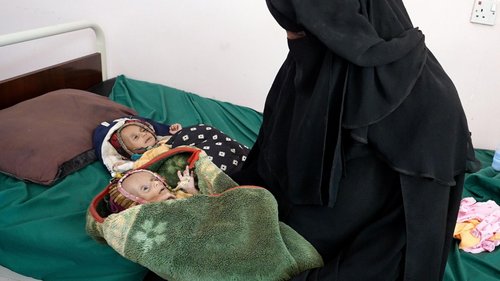
In Gaza, the partial lifting of an Israeli blockade has led to increased tension as limited food supplies reach the region, triggering chaotic scenes. Bakeries overwhelmed by desperate crowds were forced to shut down on Thursday, while an aid convoy was ambushed by armed looters, resulting in a firefight with Hamas security personnel, which was subsequently targeted by an Israeli drone strike. This event sheds light on the deepening insecurity and lawlessness in Gaza, where governance has effectively collapsed.A convoy of 20 trucks, organized by the World Food Programme (WFP) and carrying vital flour supplies, faced dire consequences as it was attacked while being escorted by Hamas officers. Eyewitnesses report the attackers firing on the convoy before a confrontation led to the deaths of six Hamas officers due to Israeli drone strikes. Hamas condemned the attack, labeling it a “horrific massacre,” while Israeli authorities have yet to comment.Over the past few days, approximately 130 aid trucks have entered Gaza following an 11-week blockade. However, the United Nations estimates that 500 to 600 trucks are needed daily to satisfy the needs of the 2.1 million people in the region. In a stark warning, humanitarian organizations have stressed that ongoing violence is obstructing the crucial delivery of food and medical resources.Philippe Lazzarini, head of the UN agency for Palestinian refugees, noted the alarming reality that prolonged deprivation has led to increased looting as desperation grows among the population. He underscored that adequate aid has not reached Gazans suffering from malnutrition and deprivation of vital resources like water and medical care.Local residents voiced their frustrations regarding the methods of aid distribution, suggesting a direct flour delivery system to families, which would minimize waiting times and disruption at overcrowded centers. This shift would offer families the means to provide food more efficiently at home.Personal accounts from Gazans paint a grim picture of the ongoing humanitarian disaster, with reports of insufficient food, water, and medical resources becoming commonplace. Abd al-Fatah Hussein described dire conditions in displacement camps, highlighting the absence of essential services amidst continuous bombardments by Israeli forces.Despite some aid reaching Gaza, officials maintain that the scale of assistance remains inadequate compared to the massive need, with UN Secretary-General Antonio Guterres pointing out that the aid received does not equate to the scale of the crisis faced by the population.As the situation worsens, reports of increasing malnutrition among vulnerable groups, particularly women and children, emphasize the urgent need for international support and intervention to prevent an impending humanitarian catastrophe. Gunnery assessments outline that Gaza's humanitarian needs will only rise unless a sustained effort is made to ensure the safe passage of essential supplies.