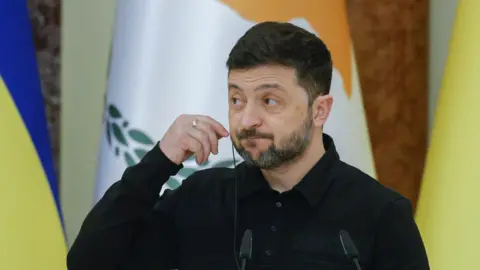
Zelensky underscored the urgency of their discussions, citing the "increased brutality" of Russian strikes on Ukrainian cities. Trump's expressed worry over Russia's potential to avoid a ceasefire by the Friday deadline, warning of substantial sanctions should negotiations falter. This follows Trump's announcement of tariffs that may impact nations engaging in trade with Russia, particularly targeting India, a key buyer of Russian oil.
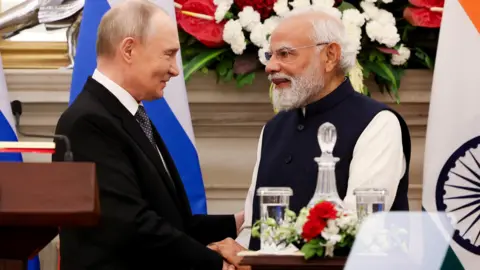
In preparation for a meeting in Moscow with Russian President Vladimir Putin, U.S. envoy Steve Witkoff aims to navigate the complex landscape of U.S.-Russia relations. Despite the Kremlin's dismissal of Trump's sanctions threats, they admitted that the Russian economy has developed resilience to sanctions over time. Trump’s strategy includes pressuring Russia's trading partners to reconsider their dealings, hoping to minimize Moscow's financial resources for its ongoing military campaign in Ukraine.
Aside from discussing sanctions, Zelensky and Trump addressed the ongoing violence in Ukraine, where recent reports indicate multiple casualties from air strikes in the eastern region. Reflecting on their strained past, both leaders are attempting to mend their relationship after a rocky encounter in the White House, suggesting a cautious but hopeful progression towards more collaborative efforts for peace.
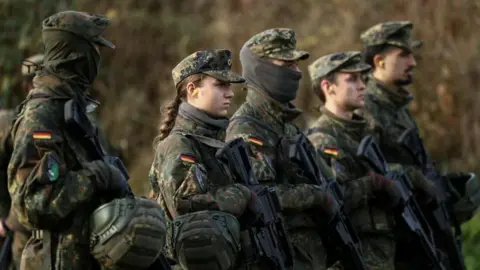
As the situation escalates, Trump's declared intention to provide advanced weaponry to NATO allies for eventual support to Ukraine signals a new phase in international military assistance. With NATO's commitment exceeding $1 billion, the urgency for decisive action remains evident.
While Trump remains confident in his ability to influence the deadlocked discussions, Putin's tempered expectations highlight the ongoing challenges in achieving a lasting ceasefire in the region, with both leaders aware that misalignment in peace talks breeds disappointment.
In preparation for a meeting in Moscow with Russian President Vladimir Putin, U.S. envoy Steve Witkoff aims to navigate the complex landscape of U.S.-Russia relations. Despite the Kremlin's dismissal of Trump's sanctions threats, they admitted that the Russian economy has developed resilience to sanctions over time. Trump’s strategy includes pressuring Russia's trading partners to reconsider their dealings, hoping to minimize Moscow's financial resources for its ongoing military campaign in Ukraine.
Aside from discussing sanctions, Zelensky and Trump addressed the ongoing violence in Ukraine, where recent reports indicate multiple casualties from air strikes in the eastern region. Reflecting on their strained past, both leaders are attempting to mend their relationship after a rocky encounter in the White House, suggesting a cautious but hopeful progression towards more collaborative efforts for peace.
As the situation escalates, Trump's declared intention to provide advanced weaponry to NATO allies for eventual support to Ukraine signals a new phase in international military assistance. With NATO's commitment exceeding $1 billion, the urgency for decisive action remains evident.
While Trump remains confident in his ability to influence the deadlocked discussions, Putin's tempered expectations highlight the ongoing challenges in achieving a lasting ceasefire in the region, with both leaders aware that misalignment in peace talks breeds disappointment.