In brief
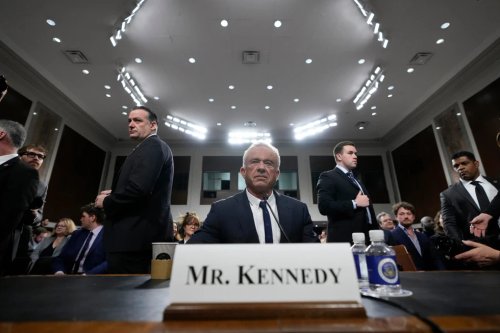
Academics have raised serious concerns about a US government report issued by the Department of Health and Human Services, led by Health Secretary Robert F Kennedy Jr., which cited non-existent studies to support claims regarding childhood chronic diseases. The report, released and later amended after being exposed by NOTUS, led to accusations of professionalism violations from various sources.
In May, a report from the US government on children's health was put under fire for referencing "totally fabricated" studies, according to several academics who were incorrectly acknowledged as authors. Initially published on May 22, the report aimed to address a "chronic disease crisis" affecting American children. Its integrity was questioned when digital outlet NOTUS highlighted the inclusion of seven non-existent references, prompting a slightly revised report release on May 29.White House press secretary Karoline Leavitt addressed the situation, stating that there were "formatting issues" that necessitated an update but maintained that the essential findings of the report remained unaffected. The report, overseen by Health Secretary Robert F Kennedy Jr., posits that factors such as unhealthy diets, environmental toxins, stress, a lack of physical activity, and "overmedicalisation" may trigger various chronic illnesses in children.Several academics cited in the report expressed their surprise and concern. Guohua Li, a professor at Columbia University, voiced his disbelief at being mentioned as an author of a non-existent report regarding children's mental health during the pandemic, asserting it to be "totally fabricated." His colleague, Noah Kreski, also denied any involvement, stating that the claimed study does not exist.Katherine Keyes, another affected academic from the field of epidemiology, shared her discomfort with the citation practices, highlighting their crucial role in maintaining rigorous scientific standards. Additionally, references relating to psychotropic medication advertising were erroneously attributed to a university associate, further undermining the report's credibility.The Democratic National Committee has accused RFK Jr.'s Department of Health and Human Services of leveraging non-existent sources to validate its policy priorities and criticized the report for containing numerous citation errors and faulty conclusions. Since taking office in February, Kennedy has implemented considerable workforce reductions in the department and proposed placebo trials for new vaccines, which has further stirred controversy around his tenure.