In brief
The dynamic between the US and Russia remains unpredictable, showing signs of both potential thawing and renewed strain.
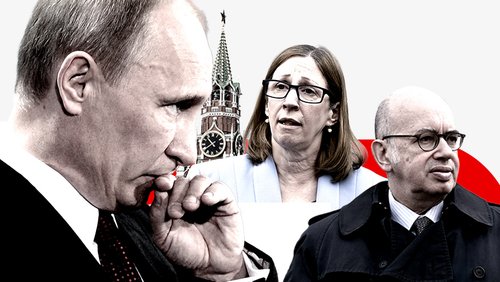
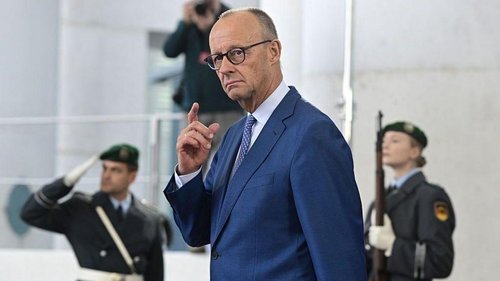
Despite an apparent intention to mend US-Russian ties, President Donald Trump's recent actions and rhetoric reveal a complex and fluctuating relationship with Vladimir Putin. Upon returning to office, Trump pushed for stronger ties, highlighted by negotiations and support for Russia during United Nations discussions.However, tensions arose recently when Trump expressed anger over Putin's comments regarding Ukraine, specifically his suggestion to establish foreign governance in the war-torn area. Following this, Trump hinted at imposing significant tariffs on Russian oil, signaling a potential shift in his administration’s stance.The Russian media, which had previously welcomed improved relations, now echoes concerns about Trump's approach, labeling it irrational and immature. As accusations of "administrative insanity" filled the airwaves, it became clear that the US-Russian discourse was shifting, with uncertainty looming over future dialogues. Despite the escalating atmosphere, Trump's recent measures seemed paradoxical; he initiated sweeping tariffs but excluded Russia from the list, and set up discussions with a key Kremlin envoy. This, juxtaposed with strong warnings from the US regarding Russia's intentions in Ukraine, presents a confusing picture.Concurrently, NATO allies criticized Putin for his inconsistent stance on conflict resolution, emphasizing the need for decisive action. As speculation mounts about further communications between Trump and Putin, the true nature of US-Russia relations remains obscured by a rapid series of developments and shifts in tone that leave observers dizzy. Looking ahead, the pressing question remains: Will Trump pressure Moscow to alter its course in Ukraine? The answer could shape international relations profoundly in the coming months as the world continues to watch the rollercoaster ride of US-Russian diplomacy.