In brief
Despite a devastating civil war pushing millions into famine, Sudan's gold production is booming, driven by illicit trades that fund military operations, posing a significant challenge to peace and recovery.
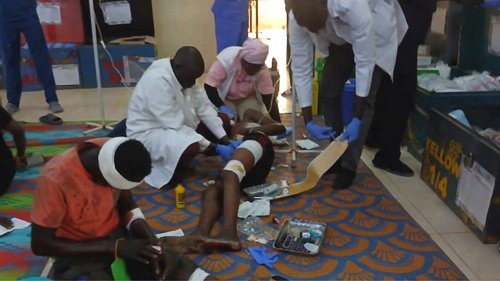
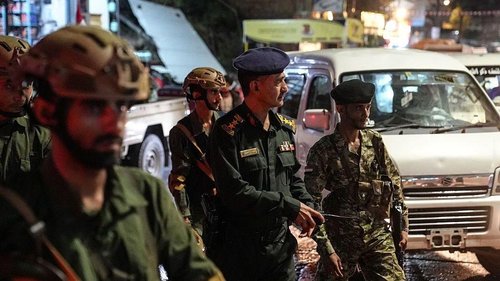
Amidst the ruins of Sudan’s civil strife, a clandestine gold trade flourishes, exacerbating the conflict and enabling militaristic figures' power. A luxury jet recently flew into Juba, South Sudan, to collect a staggering quantity of gold valued at around $25 million, sourced from Darfur, a region devastated by famine and violence. The transaction is reportedly linked to a paramilitary group accused of engaging in ethnic cleansing as the civil war unfolds.The gold was hastily loaded onto the aircraft while security forces maintained their distance, highlighting the extremities of unregulated commerce even in one of the world's poorest nations. After a brief stop, the jet continued to the UAE, where its valuable cargo disappeared into the supply chains of the international gold market.As the war ravages the economy, health systems plummet, and much of Khartoum lies in rubble, the gold trade continues to surge. Contrary to the prevailing conditions—where 26 million people confront acute hunger—gold production and its associated trade have eclipsed pre-war metrics, signaling a stark irony in Sudan's dire situation.This duality of struggling humanity against a backdrop of booming gold mineries poses critical questions about effective governance, international oversight, and the true cost of conflict minerals amid humanitarian crises. The complexities of such a resource-driven war illustrate a dilemma beyond mere survival: a struggle for the precious materials that perpetuate both wealth and woe in an era of despair.