In brief
As Romania heads to a decisive second round of elections, the rise of far-right candidate George Simion raises questions about the country’s future within the EU.
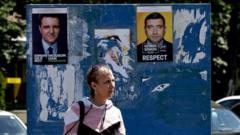
In the wake of last year's annulled presidential election in Romania, the political landscape is shifting once more as George Simion, a nationalist politician and far-right candidate, captured a substantial lead in the first round of voting on May 4. His ascendance comes amidst fears of Russia's influence, as many Romanians grow discontented with traditional parties and their failure to address corruption and economic woes. Simion, who described his vision for Romania as one controlled solely by Romanians, contrasts sharply with his opponent, Nicusor Dan, the liberal mayor of Bucharest, who advocates for cooperation with EU partners. Both candidates cast their ballots recently, with polls indicating a nail-bitingly close race ahead. Teleorman County, long a bastion of the Social Democrats and one of Romania’s impoverished regions, recently registered a significant shift when 57% of its voters backed Simion, reflecting a broader anti-establishment sentiment resonating throughout the country. Citizens, feeling betrayed by the political elite, are increasingly drawn to populist candidates who promise radical change.However, while Simion's rhetoric of putting "Romania first" finds appeal, concerns loom over his isolationist views. His admiration for nationalist agendas and a tendency toward inflammatory remarks, reminiscent of international counterparts, amplify anxieties about potential damage to Romania's EU relations.In stark contrast, Dan has a solid background with scientific credentials and is seen as a stabilizing influence with a pragmatic grasp of EU dynamics. His supporters, including factory owner Roxana, express alarm at Simion’s aggressive posturing, stating it undermines Romania’s image abroad and threatens economic stability. With social media playing a crucial role in shaping opinions, both candidates are working hard to sway voters ahead of the second round. The stark division in the electorate suggests that the outcome will have profound implications for Romania's international ties and internal cohesion. As the campaign intensifies, the nation awaits to see whether it will align with Simion's nationalist vision or Dan's European integration approach—each path steering Romania toward vastly different futures.