In brief
The unregulated e-waste industry, particularly in Agbogbloshie, Ghana, poses grave health risks as locals burn discarded electronics to extract valuable metals, all while facing toxic fumes.
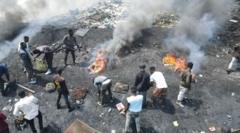
In the heart of Accra, Ghana's capital, the Agbogbloshie dumpsite stands as a stark reminder of the global e-waste crisis, with thick smoke pluming from the site visible from miles away. Here, men labor under perilous conditions to salvage valuable metals like copper and gold from discarded electronic items, predominantly pulled from wealthier nations. However, the process is fraught with danger, as workers burn cables and appliances, inhaling toxic fumes without any protective gear.Young worker Abdulla Yakubu reflects on the health toll: "I don’t feel well. The air, as you can see, is very polluted, and I have to work here every day." Nearby, Abiba Alhassan, a mother working amidst the flames, shares her struggles, stating, “Sometimes, it’s very difficult to breathe even, my chest becomes heavy.”The UN reports that e-waste is the fastest-growing waste stream globally, with a staggering 62 million tonnes produced in 2022 alone—an 82% increase since 2010. As societies digitize, demands for electronics like smartphones and computers soar, driving the rapid accumulation of electrical waste. Despite only 15% of this waste being recycled, unscrupulous firms continue to export it, often mislabeling it as reusable goods.Investigators have noted a troubling trend in the trafficking of e-waste, now the most frequently seized item worldwide. Ports in Europe have seen alarming amounts of concealed e-waste, with some containers containing illegal shipments disguised as reusable materials.With countries in Southeast Asia tightening regulations on e-waste, more of this hazardous material is shifting towards African nations. For example, Malaysia recently intercepted a significant number of containers filled with dangerous e-waste, a pattern noted by UN officials.Amidst these challenges, the health ramifications of burning e-waste are severe, entailing hazardous chemicals that pose both immediate and long-term threats to those exposed. The World Health Organisation warns that millions in developing nations working in informal recycling sectors are at serious risk of health issues, including neurodevelopmental disorders in children.From January 2025, the Basel Convention mandates stricter regulations on e-waste exports, potentially curbing trafficking by requiring exporters to declare hazardous waste and secure permissions from recipient countries. However, major exporters like the US have yet to ratify this treaty, contributing to ongoing trafficking issues.Back at Agbogbloshie, Abiba sums up the grim reality: “I spend almost half of what I earn on medicine for my conditions, but this is my only means of survival.” The government of Ghana remains largely silent on the crisis, facing overwhelming pressure from the fallout of this toxic trade.