In brief
Over 100 global humanitarian and human rights organizations are sounding the alarm over an impending catastrophe of mass starvation in Gaza. Médecins Sans Frontières (MSF), Oxfam, and Save the Children are among the signatories of an urgent statement declaring that conditions in Gaza have reached a critical point, with desperate reports emerging from the region.
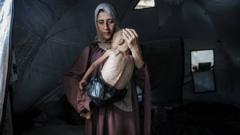
Tragic reports from the Hamas-run health ministry indicate that 10 more Palestinians have succumbed to malnutrition in the past 24 hours, pushing the total to 43 deaths since Sunday alone. The urgent warnings come as the UN highlights alarming rates of severe exhaustion in hospitals, with many individuals collapsing in public due to starvation.The humanitarian crisis in Gaza has been exacerbated by Israel's blockade, which restricts the entry of crucial supplies, leading to severe shortages of food, medicine, and fuel. The aid organizations assert that as the Israeli siege continues, even humanitarian workers are now lining up for food, risking their safety to provide for their families.The World Health Organization has cited deteriorating conditions, with nearly 100,000 women and children on the brink of severe malnutrition. Dr. Ahmad al-Farra, a pediatrician in Khan Younis, revealed that his hospital has faced three days without food supplies, emphasizing the desperate state of young patients arriving in various states of starvation.As prices for basic goods skyrocket beyond the means of most families, Gaza residents report that obtaining necessities like flour has become prohibitively expensive. In parallel, the UN has documented severe casualties, stating that over 1,000 Palestinians have been killed in efforts to secure food since the crisis escalated in May.Despite these grave concerns, Israeli officials countered that their actions comply with international law and assert that a significant flow of aid has been facilitated. They placed blame for the reduced supply on UN agencies rather than their control measures, while humanitarian leaders argue that bureaucratic obstacles severely hinder access to necessary aid.The UN has highlighted the critical responsibility of Israel as the occupying power to ensure that humanitarian efforts reach those in need, emphasizing the unacceptable risk posed to civilians attempting to access aid.Advocating for intervention, the organizations called for an immediate ceasefire, removal of bureaucratic barriers, and comprehensive humanitarian access across all of Gaza. They warned that without decisive government action, the plight of Gaza's residents will continue to worsen.In response, Israel's foreign ministry dismissed the organizations' claims, accusing them of aligning with Hamas and undermining ceasefire efforts in ongoing negotiations aimed at reducing hostilities and securing the release of hostages.As fighting continues, with significant casualties reported since the start of the conflict in October 2023, the humanitarian crisis in Gaza remains dire, emphasizing the urgent need for international attention and support.