In brief
The Kiteezi dump disaster has sparked criticism over neglect and safety issues, as well as financial struggles faced by those affected.
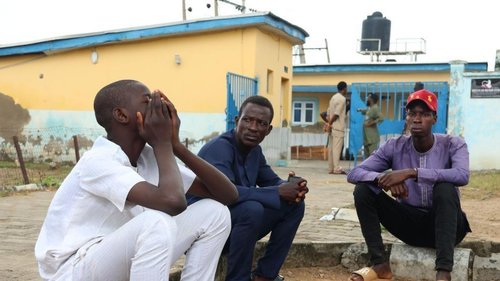
Fighting back tears, 22-year-old rubbish collector Okuku Prince recalls the moment he discovered his best friend, Sanya Kezia, lifeless at a massive rubbish dump in Kampala, Uganda. The devastating landslide at the Kiteezi dump last August took the lives of 30 people, including Kezia, and left communities grappling with grief and insecurity. “I think some people are still underneath the garbage,” Prince told a BBC reporter.Most victims were informal workers, sifting through trash for salvageable items. Following the tragedy, a blame-game ensued, with local authorities and government officials trading accusations of negligence while many deceased remained entombed beneath the rubble. When heavy machinery finally unearthed Kezia's body, injuries to his face shocked Prince, who described the horrifying sight of his friend submerged in rotting waste.Now a rubbish-picker, Prince’s life has drastically changed after abandoning his studies in law at the Islamic University of Uganda due to financial hardship. "I come here in the morning to collect polythene bags, wash them, and sell them," he explains, earning a mere 10,000 shillings (approximately $2.70) a day. The collapse has compounded his financial woes as he had to move from his home near the dump for safety reasons, while others also lost their residences during the recovery efforts.Although compensation has been promised to the families of the deceased, nearly 200 affected individuals who lost their homes have yet to receive any aid. Local officials like Dr. Sarah Karen Zalwango of Kampala Capital City Authority (KCCA) report delays due to budgetary constraints.Urban planner Frank Muramuzi argues that the disaster was preventable, highlighting the lack of proper waste management systems. Built in 1996 with World Bank funding, the Kiteezi landfill now houses 2,500 tonnes of the city’s waste daily but does not offer necessary recycling or incineration facilities. Instead, he points out, the accumulation of decaying waste has weakened the landfill's structure.Despite the apparent solutions, a mix of political tensions and financial mismanagement has stalled action. Mayor Erias Lukwago claims lack of authority hampers necessary reforms at KCCA, while requests for the $9.7 million needed to decommission Kiteezi remain unfulfilled.Recent investigations led to the sacking of key officials but have yet to prompt substantial changes. Waste management officer James Bond Kunobere says authorities are working on plans to convert organic waste into compost, stressing the need for community involvement in sorting waste to address underlying issues.For many in the area, including Prince, these initiatives feel insufficient and overdue. “They promised us compensation, but I haven't received anything—everyone is complaining,” he laments. “We lost our friend. All that transpired in the process was sorrow.”