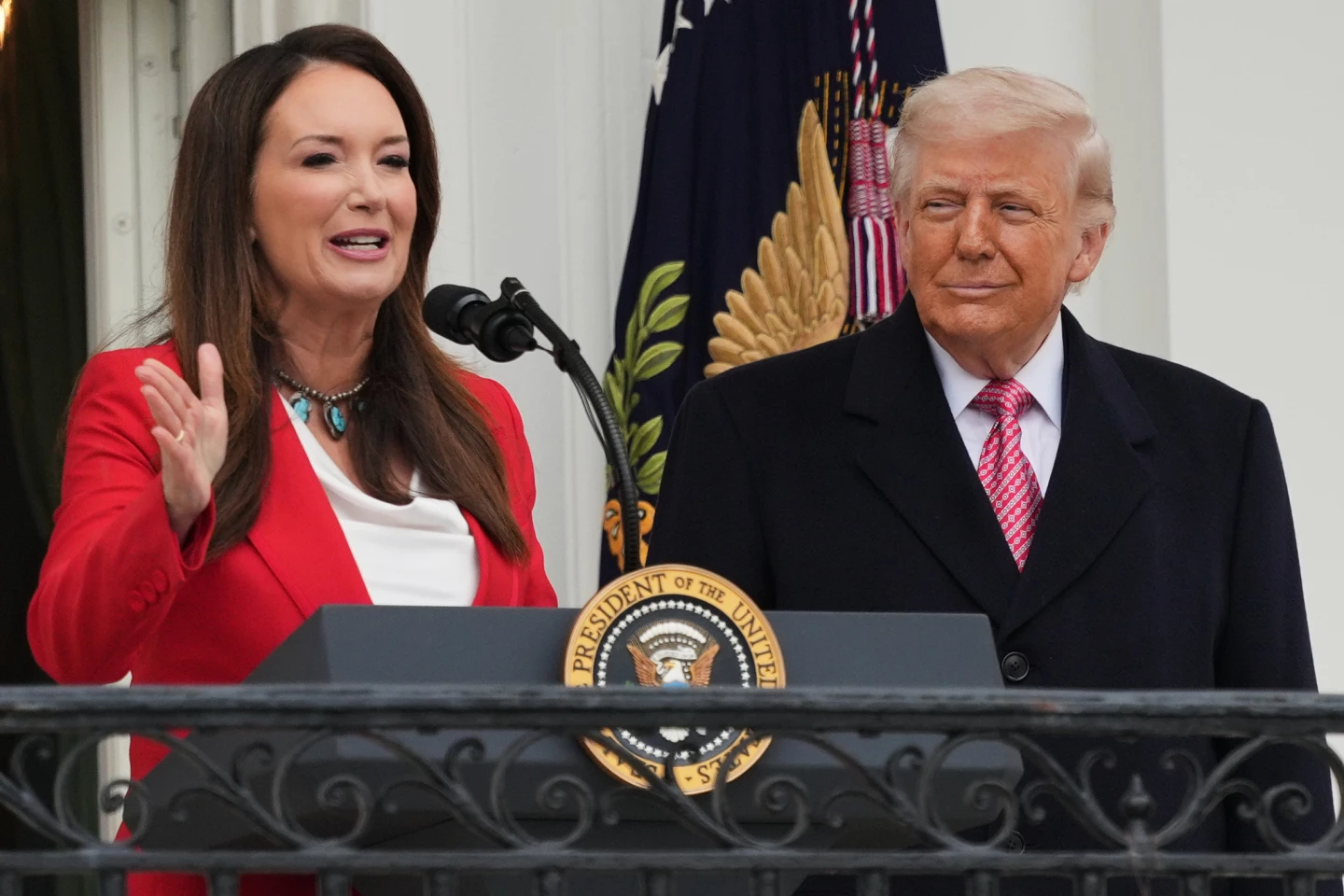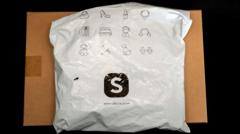
US online shoppers are about to see significant price hikes as the federal government moves to eliminate a longstanding duty-free loophole known as the "de minimis" exemption. This change, announced by President Donald Trump and set to take effect on May 2, targets low-value packages from China, which have become popular among consumers shopping from platforms like Shein and Temu.
Historically, the de minimis exemption allowed parcels worth up to $800 to enter the US without incurring duties or taxes, facilitating streamlined customs processes. However, both Trump and previous President Joe Biden have criticized this rule for harming American businesses and enabling illegal smuggling, particularly of controlled substances like fentanyl.
The de minimis concept, derived from Latin meaning "of the smallest," was originally introduced in 1938 to allow travelers returning to the States to bring in modestly valued items. In recent years, the exemption has expanded significantly, constituting over 90% of international shipments entering the US.
Prominent Chinese online retailers have thrived under this system, enticing millions of US consumers with ultra-competitive prices made possible by the lack of tariffs on low-value items. Both Shein and Temu have acknowledged rising operational costs stemming from changes in global trade conditions, prompting them to implement price modifications starting in late April.
The rationale behind ending the de minimis exemption is multifaceted. According to Trump’s administration, many shippers exploit the loophole to conceal illicit goods within low-value shipments, contributing to a national opioid crisis. An executive order indicates that the increased regulation reflects a broader effort to mitigate smuggling activities linked to synthetic drugs.
The initial move to close the loophole was introduced in February but faced backlash as organizations struggled to adapt. The changes are expected to lay the groundwork for significant annual consumer cost increases estimated between $8 billion and $30 billion as duties begin to apply to these previously exempt packages.
Concerns extend beyond the US, as similar exemptions exist in the UK and the EU, with ongoing discussions regarding potential reforms to these rules. The implications of the US's decision could influence global marketplaces, with UK retailers already highlighting issues of being undercut by inexpensive foreign goods.
While this crackdown is framed as a necessary measure to protect American manufacturers and consumers, experts warn that it may not effectively curb the flow of illegal substances, as the majority of such drugs are trafficked through other routes. Analysts maintain that this approach may merely shift the enforcement burden onto already strained US Customs and Border Protection (CBP) officials, raising questions about the efficacy of this policy change moving forward.