In brief
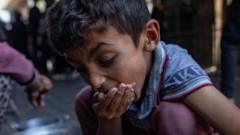
Hunger-driven unrest has ensued in Gaza as meager food deliveries exacerbate the dire humanitarian crisis.
As the Israeli blockade on Gaza was partially lifted, the limited influx of food has led to desperate scenes of chaos, resulting in unrest among the populace. Bakeries have been overwhelmed by crowds seeking bread, with many forced to shut down due to safety concerns. Compounding the crisis, armed looters ambushed an aid convoy, engaging in a firefight with Hamas security forces, which escalated when an Israeli drone strike targeted the security team, killing multiple officers.The aid convoy included 20 trucks coordinated by the World Food Programme (WFP) and was transporting vital food supplies from the Kerem Shalom crossing to a warehouse in Deir al-Balah. Eyewitnesses reported that the convoy was attacked by unidentified gunmen attempting to seize its cargo, prompting a brief confrontation with Hamas security.In response, Hamas condemned the strikes as a "horrific massacre," while the Israeli Defense Forces (IDF) claimed their actions aimed to prevent the supply from reaching terrorist organizations. Although some aid has arrived in Gaza, only about 130 trucks have been permitted over the past few days, a far cry from the 500 to 600 trucks needed daily, according to UN estimates.International humanitarian agencies have warned that the deterioration of security is hindering the critical delivery of food and medical supplies to a population largely comprised of displaced individuals. Many Gazans are voicing frustration toward the current aid distribution methods, pushing for flour to be handed out directly rather than prepared baked goods.Residents report dire conditions as infrastructure collapses amid ongoing military operations. Abd al-Fatah Hussein, a father from al-Mawasi, lamented the lack of basic necessities, while reports of malnutrition and desperation are increasingly common. This grim outlook continues as humanitarian organizations, including the UN, voice alarms over the looming threat of famine in the region.Recent supply statistics reveal that despite authorizations for additional trucks to enter, actual aid remains woefully inadequate compared to pre-war levels. As the dire situation persists, the local population struggles for survival, echoing calls for a scalable response to their pressing needs amidst violence and chaos in daily life.