In brief
As demand for electric vehicle batteries increases, Indonesia's Raja Ampat archipelago faces severe consequences from nickel mining. The government has revoked several mining permits in response to environmental concerns but risks legal challenges. Activists stress the need to balance economic growth with ecological preservation.
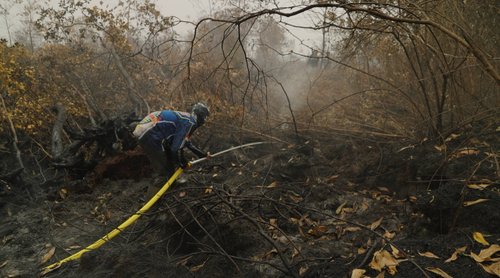
The Raja Ampat archipelago in Indonesia, often called the "Amazon of the Seas," is now at the center of a fierce debate over environmental protection and the increasing demand for nickel, a vital component for electric vehicle batteries. A recent investigation by Global Witness reveals devastating drone images showcasing extensive forest loss and water pollution due to nickel mining activities that have surged in the region in recent years.In a promising development for environmentalists, the Indonesian government recently revoked mining permits for four out of five companies operating in Raja Ampat. The Ministry for the Environment emphasized the need to protect the archipelago's rich biodiversity. However, mounting evidence from Global Witness indicates that significant damage has already occurred, with land used for mining growing by approximately 500 hectares since 2020.Conservation experts, including Dr. Mark Erdmann, who has dedicated over 20 years to Raja Ampat, praised the government’s decision but caution that the legal landscape remains precarious. Some mining companies are expected to challenge the revocations. Notably, one firm continues operations on Gag Island, which is rich in nickel deposits.As Indonesia has become the world’s leading producer of nickel, concerns are rising about the environmental trade-offs associated with this boom. A recent study highlighted the correlation between increased mining and heightened risks of flooding and landslides locally. Dr. Michaela Guo Ying Lo, who led a study on mining impacts in Sulawesi, noted that while mining may alleviate some poverty, it degrades environmental quality substantially.Local activists, like Imam Shofwan of Jatam, stress that while nickel is often touted as a solution to climate issues, its extraction is causing deforestation and threatening agricultural livelihoods. The ongoing hunt for balance between the benefits of nickel mining and the irreplaceable ecosystems of Raja Ampat poses a critical dilemma.Dr. Erdmann encapsulated this struggle, claiming that while the push for electrification is generally seen as beneficial, it raises tough questions about the environmental costs we're willing to accept. As the Indonesian government contemplates its mining policy direction, the outcome will be crucial not just for Raja Ampat’s environment, but also for the future of global nickel supply amidst rising climate concerns.