In brief
Researchers have identified potent antibodies in Tim Friede's blood after his extensive exposure to snake venom, paving the way for a universal antivenom that could protect against various snakebites, significantly reducing fatalities worldwide.
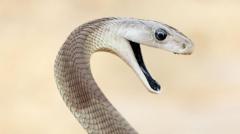
A black mamba is often considered the deadliest snake, but recent developments stemming from a unique individual’s long-term self-experimentation may lead to a groundbreaking antivenom. Tim Friede, a US man who injected himself with snake venom intentionally for nearly two decades, has contributed to the creation of an "unparalleled" antivenom, according to researchers. Mr. Friede's blood contains antibodies that have shown efficacy in protecting against potentially lethal doses of venom from a diverse array of snake species in animal trials. Unlike existing therapies that target specific venom types, this new approach could serve as a universal antivenom, addressing a significant health issue, given that snakebites result in about 14,000 deaths yearly and many more cases of severe injury.Over his 18-year endeavor, Friede has endured more than 200 bites and administered over 700 venom injections from some of the world's most dangerous snakes, including various species of cobras and mambas. Initially aiming to create a personal immunity for working with snakes, his mission reflects a commitment to helping others, revealing that "it just became a lifestyle" dedicated to aiding those far removed from his experience.The conventional process for making antivenom involves injecting small venom amounts into animals, such as horses, prompting their immune systems to produce antibodies to be harvested for treatment. This method requires closely matching the venom with the corresponding antivenom, though significant variability can exist even within the same species across different regions.Dr. Jacob Glanville and his team have shifted their focus to identify broadly neutralizing antibodies that target shared components across various toxins rather than unique attributes. Their research, featured in the journal Cell, has so far discovered two antibodies in Friede’s blood capable of neutralizing neurotoxins from several deadliest snake species, including 13 out of 19 major elapids known to pose significant threats.Although the cocktail still requires further refinement and testing—especially to target additional toxin classes—the initial success offers hope for a universal solution in snakebite treatment. Experts are optimistic that with continued research, an effective remedy against all toxin classes may be developed over the next decade.For Friede, watching this progress is gratifying. He feels empowered that his sacrifices are contributing to a greater good, stating, "I'm doing something good for humanity and that was very important to me."