In brief
Ruto's monikers, including 'Deputy Jesus' and 'El Chapo', illustrate the president's evolution in Kenyan politics and his connection (or disconnection) with the populace.
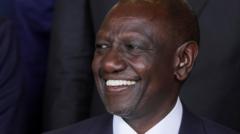
Kenya's President William Ruto, who assumed office in 2022, is a figure surrounded by a diverse array of nicknames that reveal the public's shifting opinions of him. Among these are 'Deputy Jesus,' 'El Chapo,' 'Hustler,' and 'Chicken Seller,' each carrying unique connotations, some endearing and others derisive. Ruto has humorously commented on this trend, quipping that Kenyans are "finishing" him with an array of labels. His previous monikers often highlighted his relatable background, including 'Hustler,' which depicted him as someone who champions the struggles of the common people. Conversely, 'Chicken Seller' points to his humble beginnings selling poultry on the streets, resonating with many voters who saw their own lives reflected in his narrative. Political experts argue these positive nicknames contributed to his electoral success.However, Ruto's reputation has faced challenges, especially since becoming president. His administration's implementation of unpopular tax policies has incited public discontent, leading to the emergence of more critical nicknames. The term 'Zakayo,' a reference to a biblical figure associated with greed, has taken hold as dissatisfaction grew over rising living costs and perceived betrayal of the "hustlers" promise.Public protests last year, fueled by frustrations over taxation, saw demonstrators chant "Ruto must go," a phrase that has become another notable nickname for the leader. The backlash also includes creative nicknames reflecting allegations of Ruto's excessive foreign travel, such as 'Vasco da Ganya,' which combines the name of an acclaimed explorer with the Swahili phrase for deception.While government officials assert that these nicknames reflect public opinion rather than discomfort, they also hint at a palpable societal distress. Critics claim that some artistic expressions ridiculing Ruto have met with hostility, and several individuals behind these expressions have reportedly faced severe repercussions. Supporters argue that Ruto's capacity to brush off or even embrace such monikers indicates resilience amidst political and economic challenges. Young citizens, expressing frustrations through satire, believe that these names are a medium to voice their collective grievances and disillusionment, marking an unprecedented chapter in Kenya's political landscape.Historically, previous presidents have also had nicknames, but none as numerous or varied as Ruto's, particularly in the age of social media, which amplifies the trend. For many Kenyans, the torrent of nicknames aimed at Ruto illustrates the underlying frustrations connected to economic turmoil and unmet governmental promises, positioning him as a focal point of national discourse.