As Thanksgiving approaches, millions of Americans are preparing to travel for the holiday, but an "arctic outbreak" threatening severe weather could impact their plans. The National Weather Service (NWS) has issued warnings for the northern Plains, noting this year could see significant, record-breaking travel volumes amid heavy snowfall and extremely low temperatures during one of America's busiest travel weeks.
Forecasts indicate that areas in the Colorado Rockies will experience heavy snowfall on the Wednesday before Thanksgiving, with more than 10 inches (25cm) expected in some regions. The cold front is set to push eastward, resulting in frigid temperatures that could plummet to -30F to -40F (-34C to -40C) in regions like the Upper Midwest and northern Plains, according to BBC Weather forecaster Matt Taylor.
Additionally, the advancing storm is poised to produce “lake-effect” snow and severe thunderstorms across the Midwest, particularly affecting New England and the Appalachian regions. The NWS predicts that northern Michigan could see 4 to 8 inches of snow from upcoming snow showers.
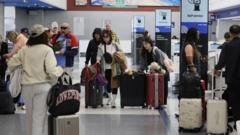
The inconvenience arrives as the Transportation Security Administration (TSA) projects record passenger volumes during this Thanksgiving season, with nearly 9 million travelers expected to pass through airport screenings on the busiest days just before the holiday. In total, approximately 72 million Americans plan to travel at least 50 miles by car during the week, partly due to lower gas prices compared to last year.
Despite airport operations remaining relatively smooth so far, impending weather conditions could create challenges in the coming days with heightened snowfall expected along the I-90 and I-81 corridors.
This turbulent weather follows a winter storm that battered California, bringing heavy snowfall and strong winds earlier in the week. The Pacific Northwest is still recovering from last week's bomb cyclone, which resulted in severe flooding and outages for many residents. Further rains are predicted for coastal areas throughout the week, as another low-pressure system heads toward California, Washington, and Oregon, raising concerns for those returning home after the holiday.