In brief
Two teenagers, Cain Clark (17) and Caleb Vazquez (18), fatally shot three people at San Diego's Islamic Center of San Diego on Monday, May 18, before killing themselves. Authorities revealed the shooters were radicalized online, shared white supremacist views, and authored hate-filled writings targeting Jewish, Muslim, LGBTQ+, Black, and political communities. The victims—security guard Amin Abdullah, Mansour Kaziha, and Nadir Awad—engaged the attackers to prevent them from reaching 140 schoolchildren. FBI agents found 30+ guns and a crossbow at their homes, while mosque leaders described the victims as pillars of their community amid rising hate crimes against Muslims and Jews.
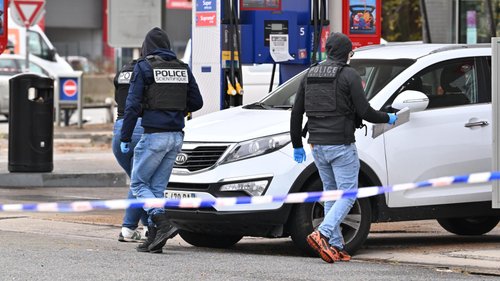
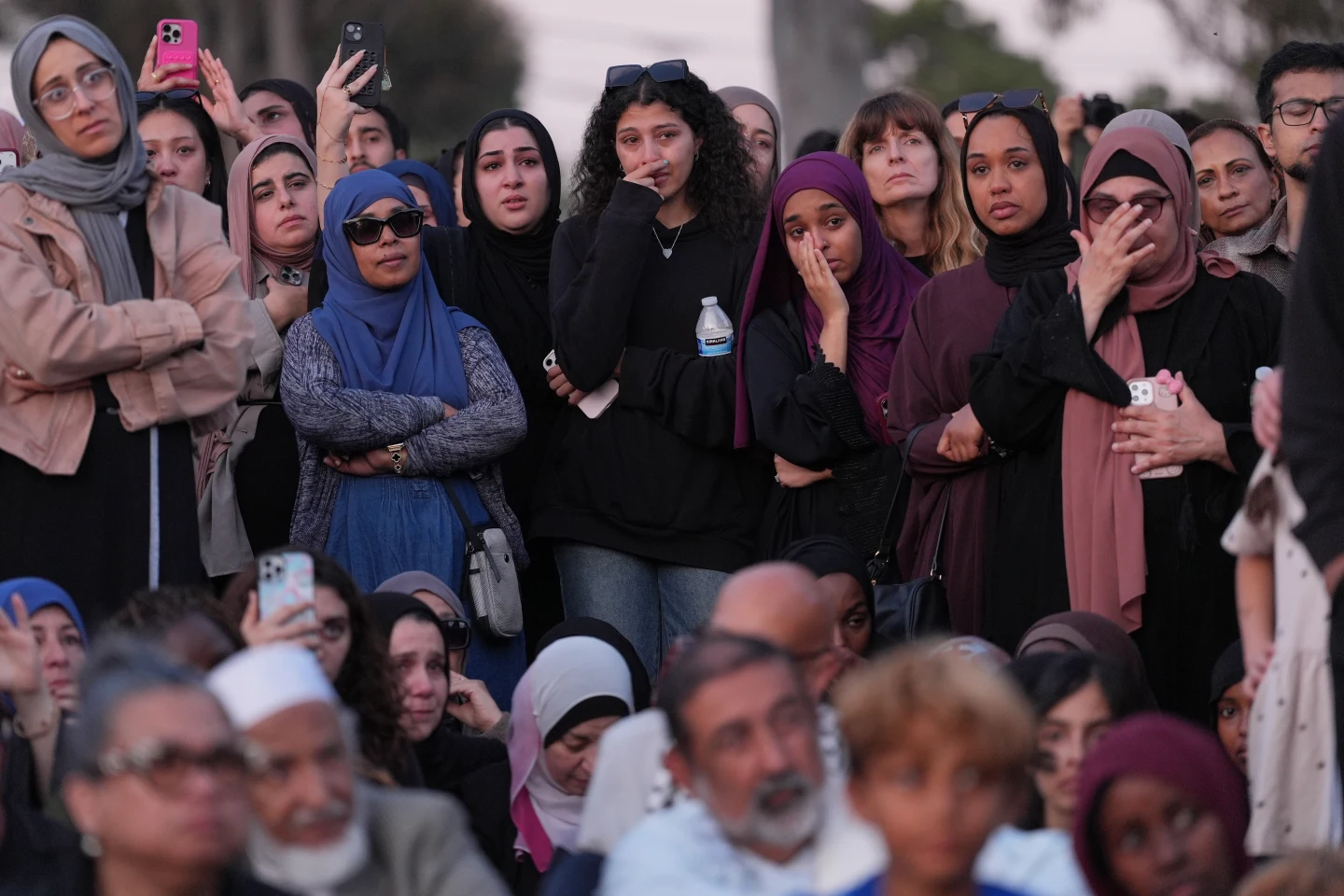
SAN DIEGO — Two teenagers who fatally shot three people during an attack on a San Diego mosque were radicalized online and shared white supremacist views, according to authorities and writings they authored. The pair, Cain Clark, 17, and Caleb Vazquez, 18, killed themselves after the May 18 shooting, FBI agents said.The attackers, who met online before discovering they lived in the same area, expressed hatred toward multiple communities in their writings. Mark Remily, lead FBI agent in San Diego, stated they didn’t discriminate on who they hated, citing rhetoric targeting Jewish people, Muslims, the LGBTQ+ community, Black people, women, and both political extremes. Both believed white people were being systematically eliminated, with one writer describing mental health struggles and rejection by women.Investigators recovered at least 30 firearms, ammunition, and a crossbow from the suspects' residences, though no specific threat had been directed at the mosque. Clark, who attended online school since 2021 and competed in wrestling, had no disciplinary record. Neighbors described him as a good community member who helped with groceries. The victims included Amin Abdullah, a beloved security guard for over a decade, Mansour Kaziha, and Nadir Awad. Abdullah engaged the shooters in a gunbattle while calling for lockdown on his radio, buying crucial time to protect schoolchildren just steps away. He sacrificed his life to stop them from getting inside the classrooms, said Imam Taha Hassane. Kaziha, known as Abu Ezz, was a mosque handyman, cook, and caretaker who was everything to the community.Police Chief Scott Wahl confirmed the shooters wounded Abdullah before fatally shooting him outside. They then fatally wounded Kaziha and Awad as they attempted to reach the school. The community gathered at a vigil Tuesday, with Hassane stating, We are here to celebrate the patience, the resilience of the Muslim community. We are here to honor our heroes, our martyrs.The attack marks the latest in a string of violence targeting houses of worship amid rising antisemitic and Islamophobic threats since the Middle East war began. Authorities noted the Islamic Center of San Diego, the largest mosque in the region, regularly receives hate mail and verbal abuse but was unprepared for such violence. Hassane emphasized, We’ve never ever expected such things to happen here. We are used to hate messages, but such horrible crime—this was never anticipated.Writings seized by investigators included symbols associated with Nazis and white supremacists, with both suspects referring to themselves as Sons of Tarrant—a nod to the Christchurch mosque shooter. The FBI noted the pair's radicalization occurred through online interactions, though details remain under investigation. Muslim American organizations have reported escalating hate incidents nationally.Family members of the victims expressed grief while praising their sacrifice. Shaykh Uthman Ibn Farooq described Abdullah as a man who wanted to defend the innocent, stating he joined security to protect the community. The mosque remains on lockdown as the community grapples with loss and fears about future threats.This is a tragic reminder of the fragility of our communities, said Imam Hassane. But our unity, our solidarity—this is what makes us strong. The martyrs showed us courage. We will not be silenced.The attack occurred in a neighborhood with Middle Eastern businesses and schools, including Al Rashid School that teaches Arabic and Islamic studies. Josie-Ana Edenshaw, a three-year mosque attendee, praised its welcoming nature: Every person at that masjid will smile at you. Now, that welcome has been stained by violence as the community mourns its heroes while facing heightened threats to safety.}