In brief
Residents are torn between honoring their heritage and adhering to new laws aimed at erasing Russian influence.
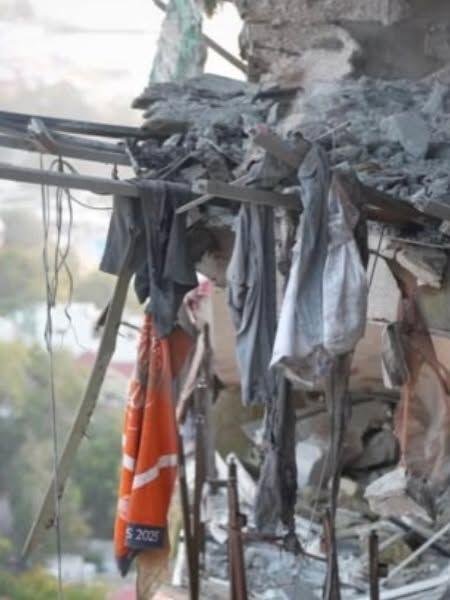
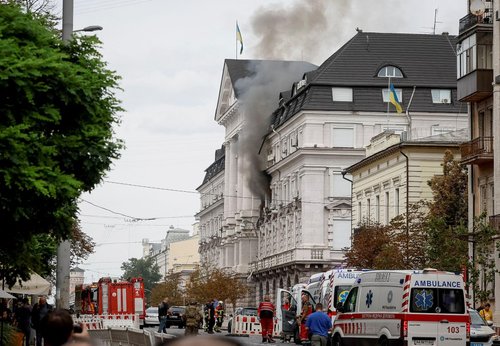
In Odesa, Ukraine, a bronze statue commemorating the writer Isaac Babel stands at the center of a fierce cultural debate. The statue, a tribute to Babel’s contributions to the city’s literary and cultural landscape, may soon be taken down due to a decolonization law in Ukraine that targets symbols of Russian influence. This law mandates the removal of monuments linked to "Russian imperial politics," a move seen as crucial for the fight to establish a distinct Ukrainian identity amid ongoing conflict.However, many locals push back against this initiative. For Odesans, Babel is not merely a symbol of Russia; he is part of their city's rich tapestry of Jewish heritage and eclectic history, as illustrated in his beloved “Odessa Stories.” As the war rages on, these residents express fear that such erasures could obliterate the multicultural spirit that has defined Odesa.One local editor, Antonina Poletti, argues passionately against the planned removal of Babel's statue, proclaiming that it represents the city’s very essence. “Removing Babel means erasing the soul of the city,” she asserted, emphasizing the deep connection between the writer’s legacy and Odesa's multifaceted identity.As drones and missiles rain down on the city, Odesa finds itself grappling with more than just the physical destruction of war; it is in a cultural struggle over how to delineate its identity. The statute of Babel, now a flashpoint, reflects a broader movement in Ukraine to reconnect with native roots and shed vestiges of Russian heritage, although this effort prompts anxiety about the loss of Odesa's unique character.