In brief
Experts warn that Russia's demands could undermine Ukraine's position in negotiations.
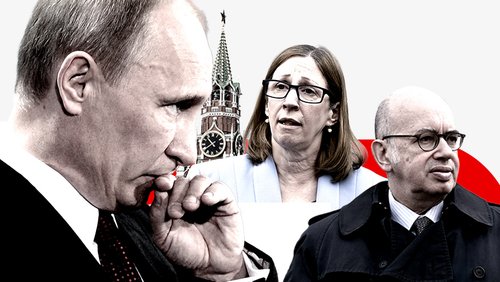
The ongoing Russia-Ukraine conflict has witnessed a recent alteration in cease-fire discussions, as internal communication breakdowns have surfaced, complicating prospects for peace. Analysts indicate that the Kremlin is leveraging this chaos to its advantage, securing essential concessions from a West eager to mediate the conflict.Despite Ukraine's anticipation of an immediate halt to hostilities in the Black Sea, Russia has countered with an ultimatum: lifting economic sanctions as a prerequisite for any agreement. Compounding matters, the U.S. has remained vague on timelines, reiterating a general call for the cessation of violence without addressing critical aspects of the negotiations.Moscow's recent demand centers around sanctions relief for its state agriculture bank, Rosselkhozbank, and a host of other restrictions. Experts argue that if the U.S. complies with these conditions and persuades Europe to follow suit, this would skew any potential Black Sea agreement in favor of Russia, further embedding its position in the region. This maneuvering occurs alongside a previously negotiated 30-day truce for energy target strikes, ostensibly designed to cultivate peaceful intentions yet ultimately benefitting Russia. Reports of both nations violating the terms indicate little efficacy in enforcement and raises concerns about the sincerity of the negotiations.President Vladimir Putin has also cast doubt on broader cease-fire proposals, presenting conditions that would severely limit Ukraine’s military capabilities and personnel stabilization, thereby exacerbating its struggle should hostilities resume. With negotiations hanging in the balance, Ukraine faces a stark decision: adapt to new demands set by Moscow or risk losing further ground in the ongoing conflict.